How Art Therapy Supports Trauma Recovery
Art therapy offers a unique approach to healing from trauma by utilizing creative expression as a means for relaxation and self-discovery. This article explores the methodologies behind art therapy and how it can assist individuals on their recovery journey.
Understanding the Basics of Art Therapy
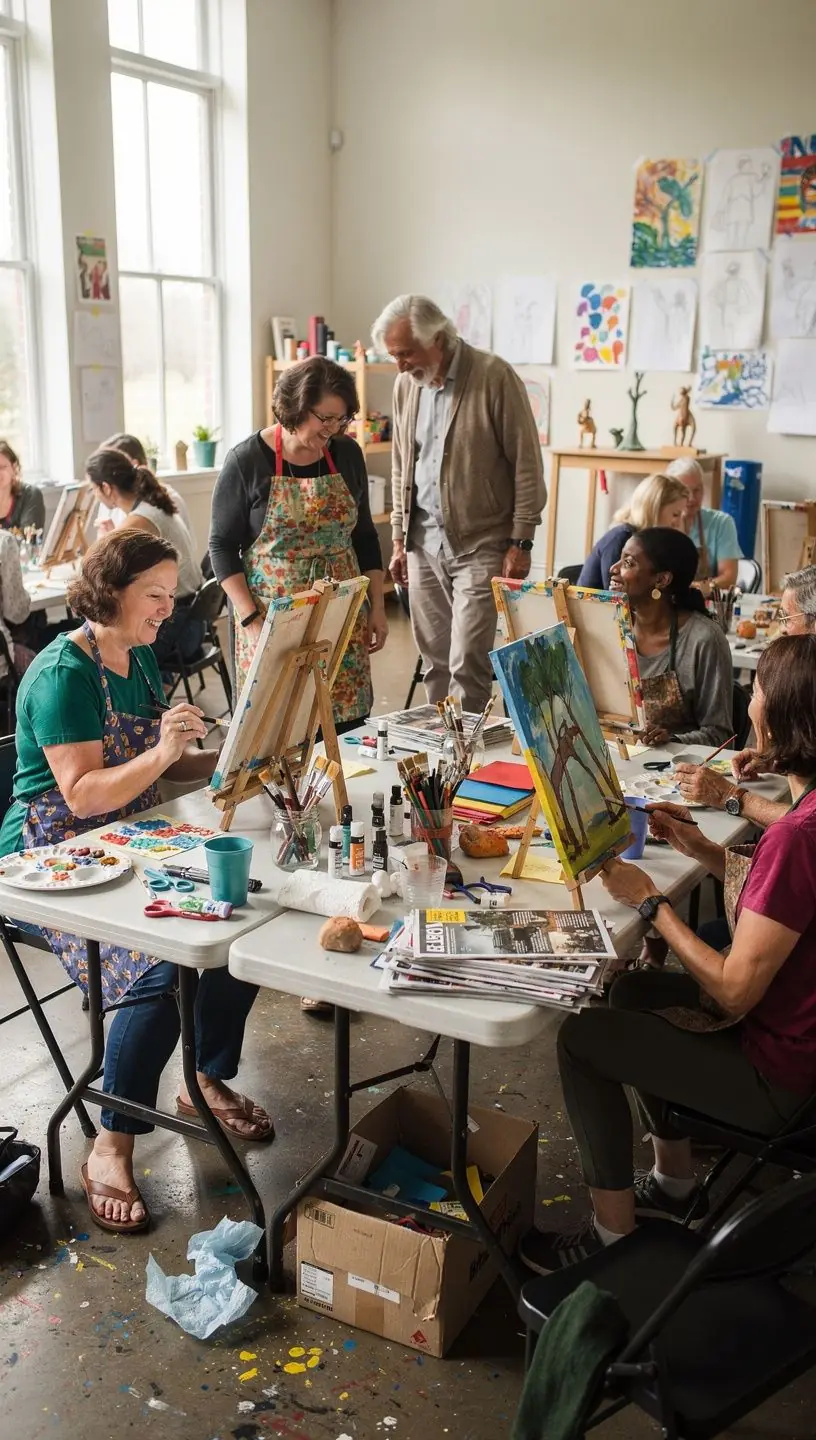
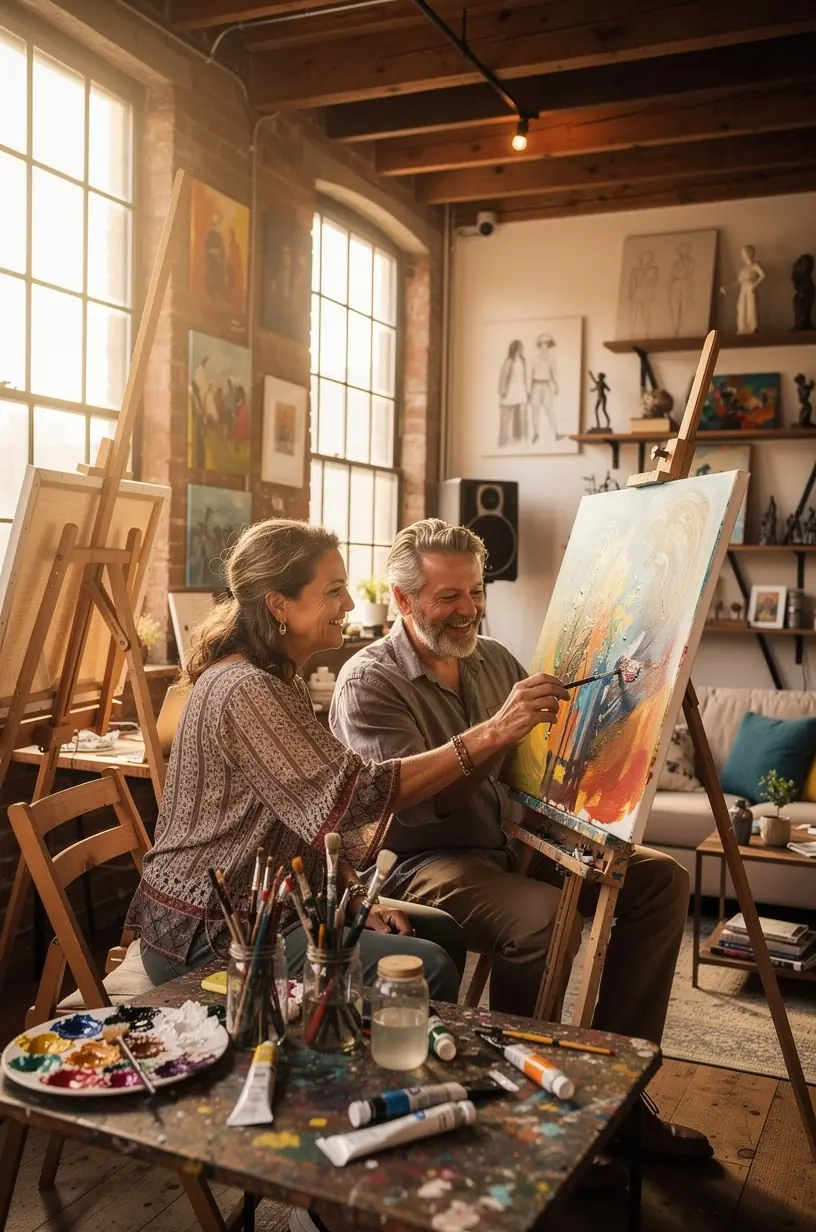
Art therapy is a form of psychotherapy that incorporates artistic expression to help individuals process emotions and experiences. According to research published by the American Art Therapy Association, engaging in creative activities can significantly reduce anxiety and improve emotional regulation.
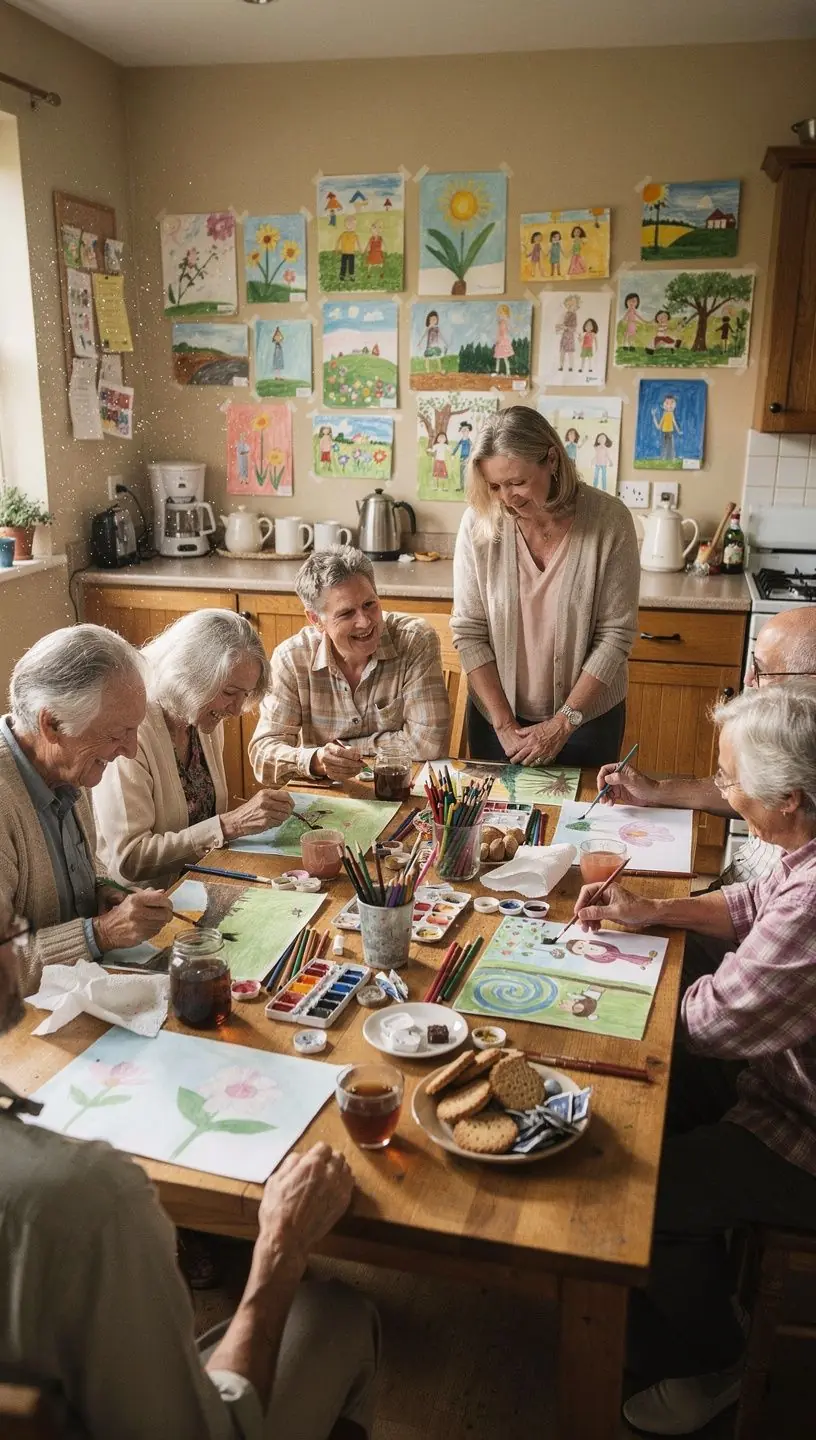
"Art therapy allows individuals to express feelings that may be difficult to articulate, facilitating a deeper understanding of their emotional state." - American Art Therapy Association
The Mechanisms Behind Art Therapy
Many professionals in the field suggest that art therapy works because it activates both the emotional and cognitive sides of the brain. The process of creating art can help individuals externalize their feelings, making them easier to examine and understand. This can lead to insights about trauma and coping strategies.
Benefits of Art Therapy in Trauma Recovery
- Non-verbal expression: Many users report that they find it easier to convey feelings through art rather than words, especially when dealing with painful memories.
- Safe environment: Art therapy provides a safe space for individuals to explore their emotions without judgment. This is crucial for those who may feel vulnerable discussing their trauma openly.
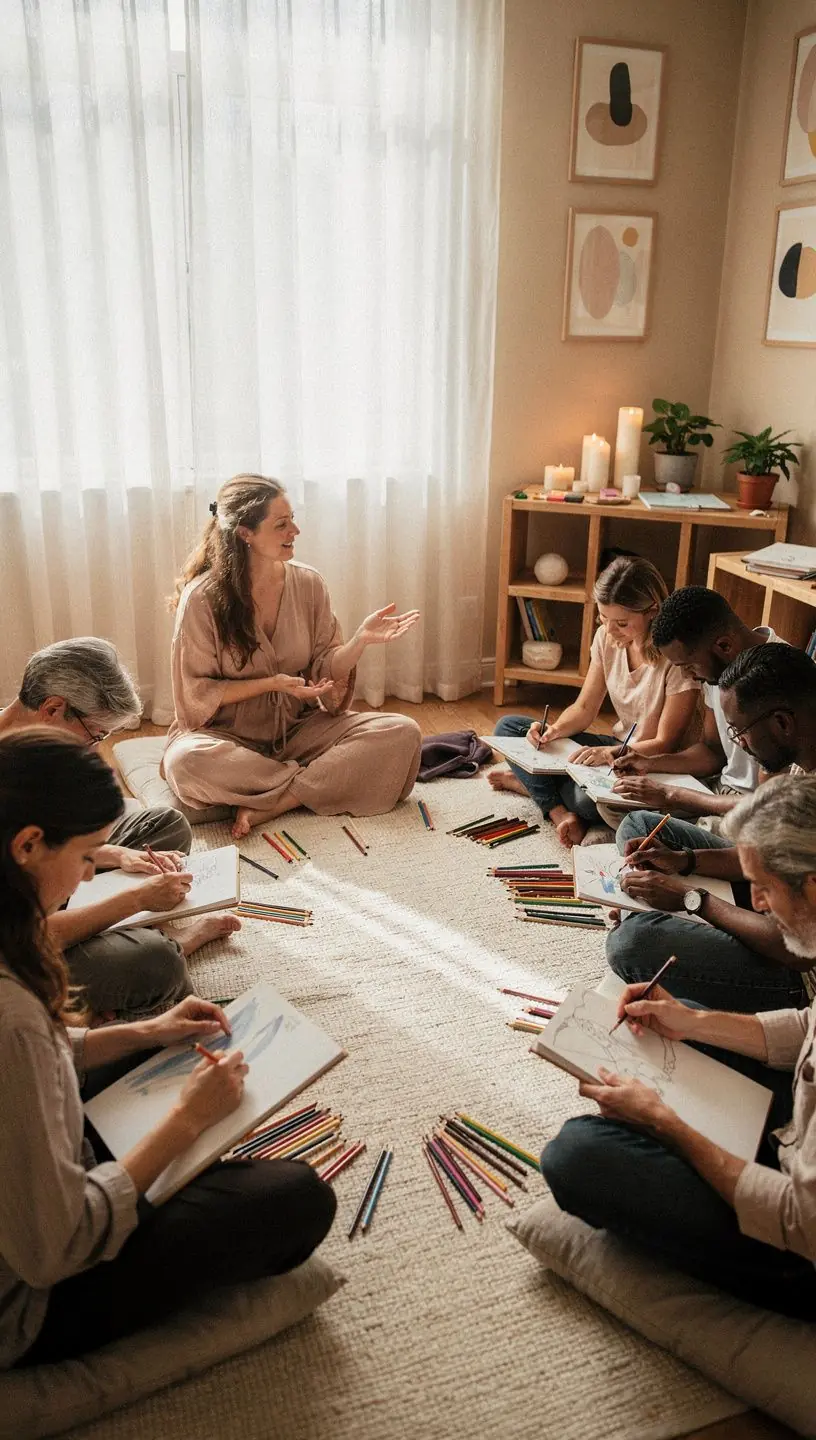
- Structured process: Typical art therapy sessions may include guided activities that encourage reflection and self-expression, which can often lead to significant breakthroughs in understanding trauma.
Limitations and Considerations
While art therapy can be beneficial, it is important to acknowledge that it typically requires a commitment of time and effort. Most programs may involve attending sessions over a period of weeks or months, and users should be prepared for an emotional journey that involves both exploration and potential discomfort.
Additionally, art therapy may not be suitable for everyone. Individuals with specific mental health conditions may need additional support alongside this therapeutic approach. It works best when integrated into a comprehensive treatment plan that includes other therapeutic modalities.
Conclusion
Art therapy offers a promising avenue for trauma recovery, focusing on creativity as a tool for healing. By providing a space for non-verbal expression and emotional exploration, it can help individuals process their experiences in a meaningful way. If you or someone you know is considering art therapy, researching local programs and consulting with a qualified therapist can provide more personalized insights into how this approach can aid in recovery.