Building Community Through Creative Collaboration
Art therapy and creativity centers are increasingly recognized for their role in facilitating relaxation and self-expression. By fostering a sense of community through creative collaboration, these centers not only enhance individual wellness but also strengthen social bonds.
Understanding the Basics of Art Therapy
Art therapy integrates creative processes with psychological principles to help individuals express themselves and explore their emotions. According to the American Art Therapy Association, this practice can often lead to improved mental health outcomes, particularly in settings where participants feel safe and supported.
"Art therapy can serve as a powerful tool for healing and self-discovery, encouraging personal growth through creativity."
The Role of Community in Creative Expression
Community engagement is a fundamental aspect of art therapy programs. Research indicates that shared creative experiences can enhance emotional well-being and foster connections among participants. This is particularly relevant in Latvia (LV), where cultural expression is intertwined with community identity.
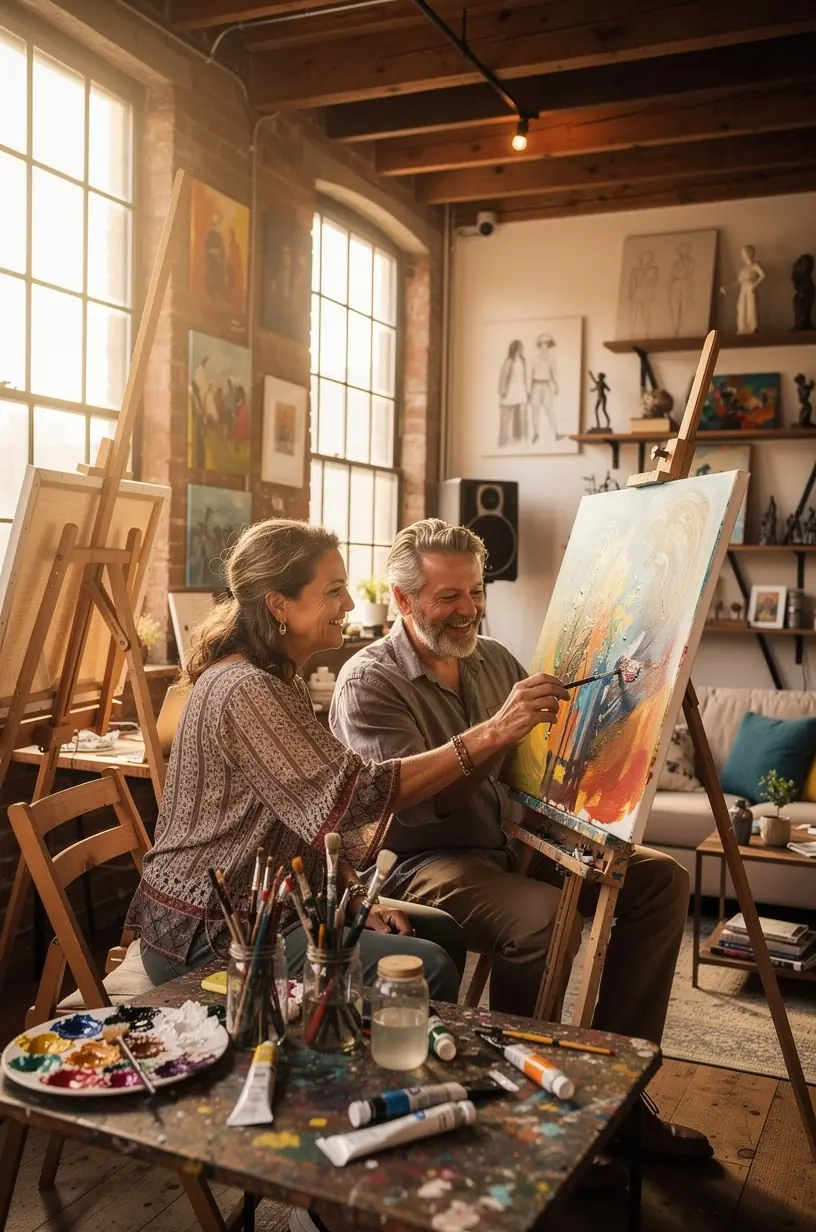
Many users report feeling more comfortable and motivated to explore their creativity when participating in group settings. In most cases, these collaborations can:
- Encourage open dialogue and sharing of personal experiences
- Provide mutual support and inspiration among participants
- Help overcome feelings of isolation or anxiety through shared activities
Practical Applications of Collaborative Art Therapy
Implementing collaborative art therapy programs typically involves several steps:
- Identifying Goals: Establishing clear objectives for the session helps focus the group's creative efforts. This works best when participants are actively involved in shaping the program.
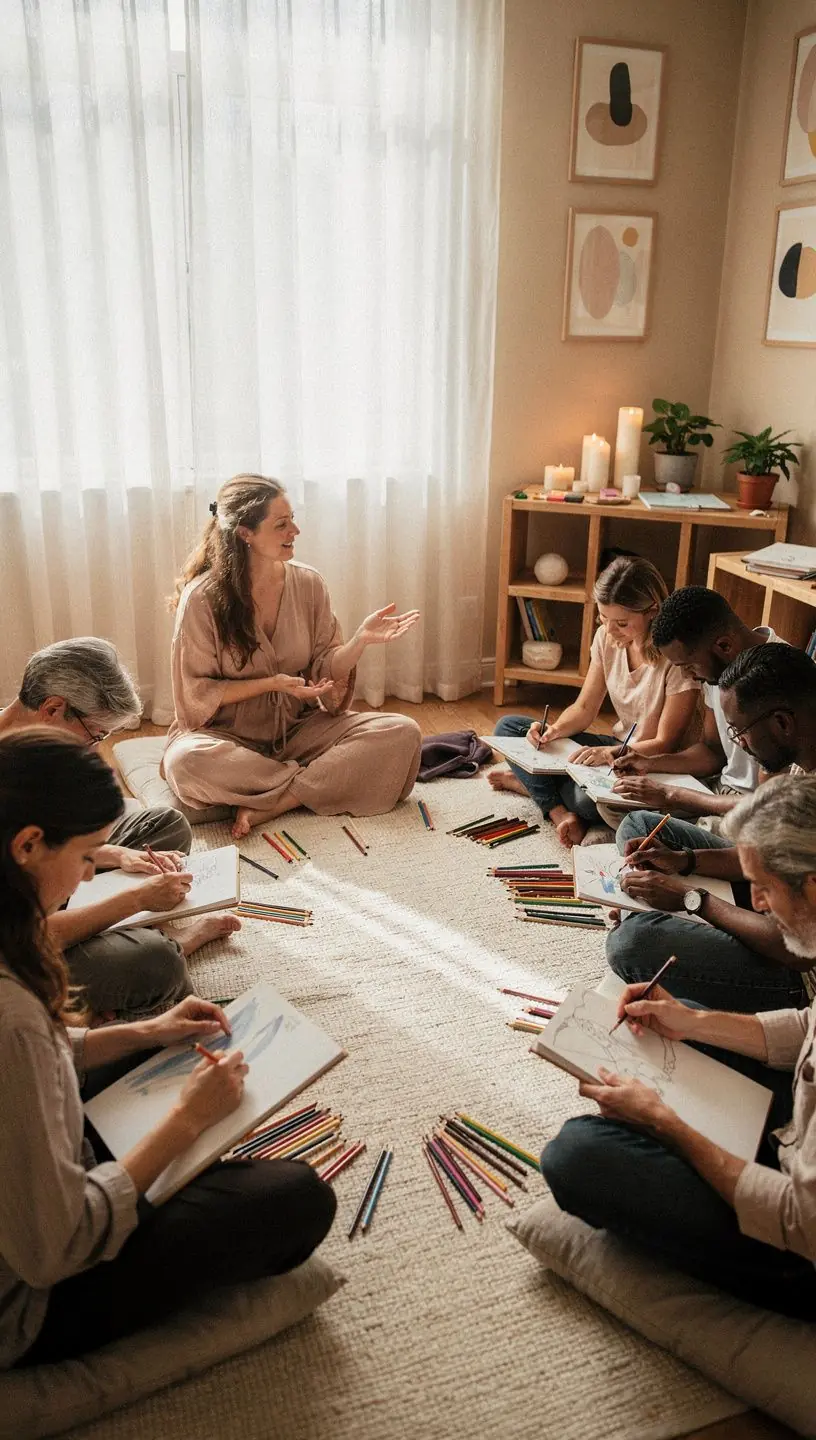
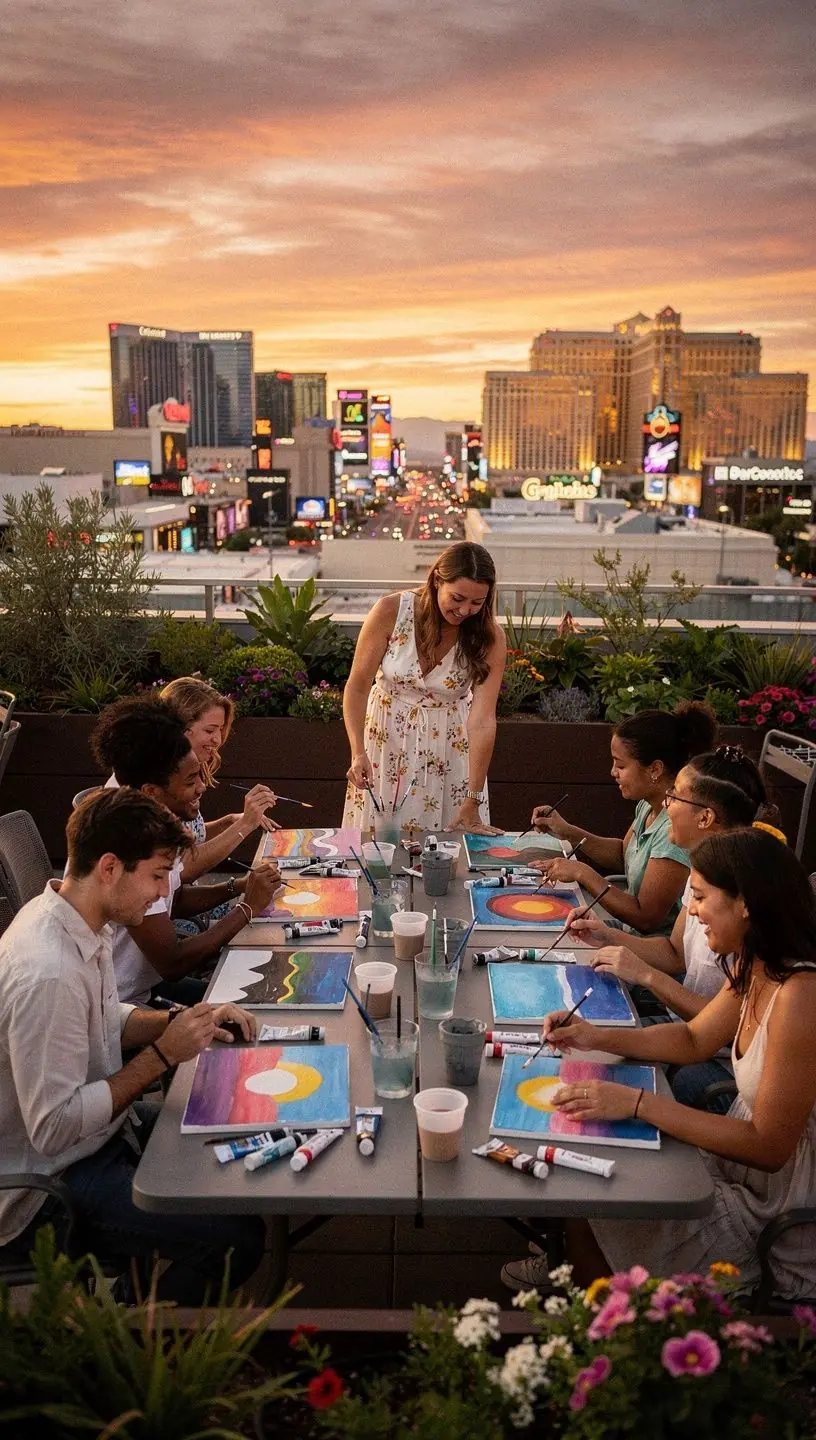
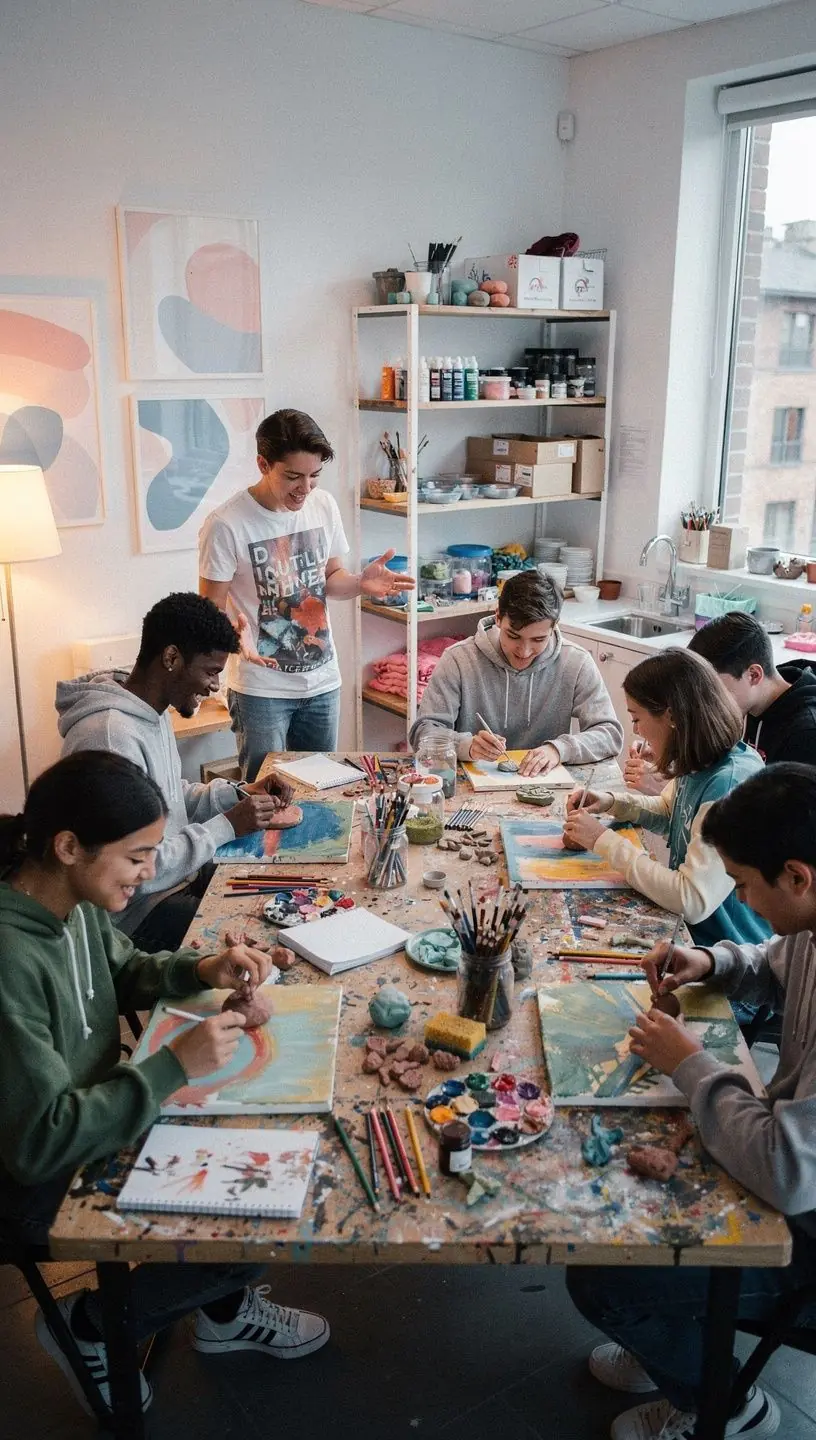
- Creating Shared Experiences: Group activities, such as mural projects or collective painting sessions, can facilitate collaboration. These tasks often require participants to communicate and share ideas, which can enhance their sense of community.
- Reflecting on the Process: Allowing time for discussion post-activity can help individuals articulate their feelings and experiences, reinforcing the therapeutic benefits of the group dynamic.
Experts recommend that these structured offline programs be adapted to suit the needs of different groups, taking into account factors such as age, cultural background, and individual preferences. This flexibility can lead to more effective outcomes, as participants feel more invested in the process.
Acknowledging Limitations and Setting Expectations
While collaborative art therapy can offer significant benefits, it is important to recognize its limitations. Participants should be prepared for a time commitment, as meaningful results typically appear after consistent engagement over several weeks. Involvement in these programs often requires openness to sharing and vulnerability, which may be challenging for some individuals.
Moreover, these programs may not be ideal for everyone; individuals with severe mental health issues may need more specialized support. Therefore, it is crucial to assess the suitability of art therapy based on each participant's unique circumstances.
Conclusion
Building community through creative collaboration in art therapy provides a reliable framework for fostering emotional well-being and social connections. By engaging in shared creative experiences, participants can explore their artistic expressions while enhancing their sense of belonging. As studies indicate, the impact of community involvement in creativity can lead to lasting positive change, enriching lives in meaningful ways.
Discover More