Art Therapy for Stress Relief: A How-To
In an increasingly fast-paced world, stress can feel overwhelming. Art therapy offers a creative outlet that may help individuals manage stress effectively. This article explores how art therapy can be utilized as a tool for relaxation and self-expression.
Understanding Art Therapy
Art therapy is a therapeutic practice that involves using artistic methods to address emotional and psychological issues. According to the American Art Therapy Association, engaging in creative activities can facilitate personal insight and healing. This is particularly relevant for those looking to alleviate stress. Experts suggest that art therapy can help individuals explore their feelings, improve self-awareness, and foster a sense of well-being.
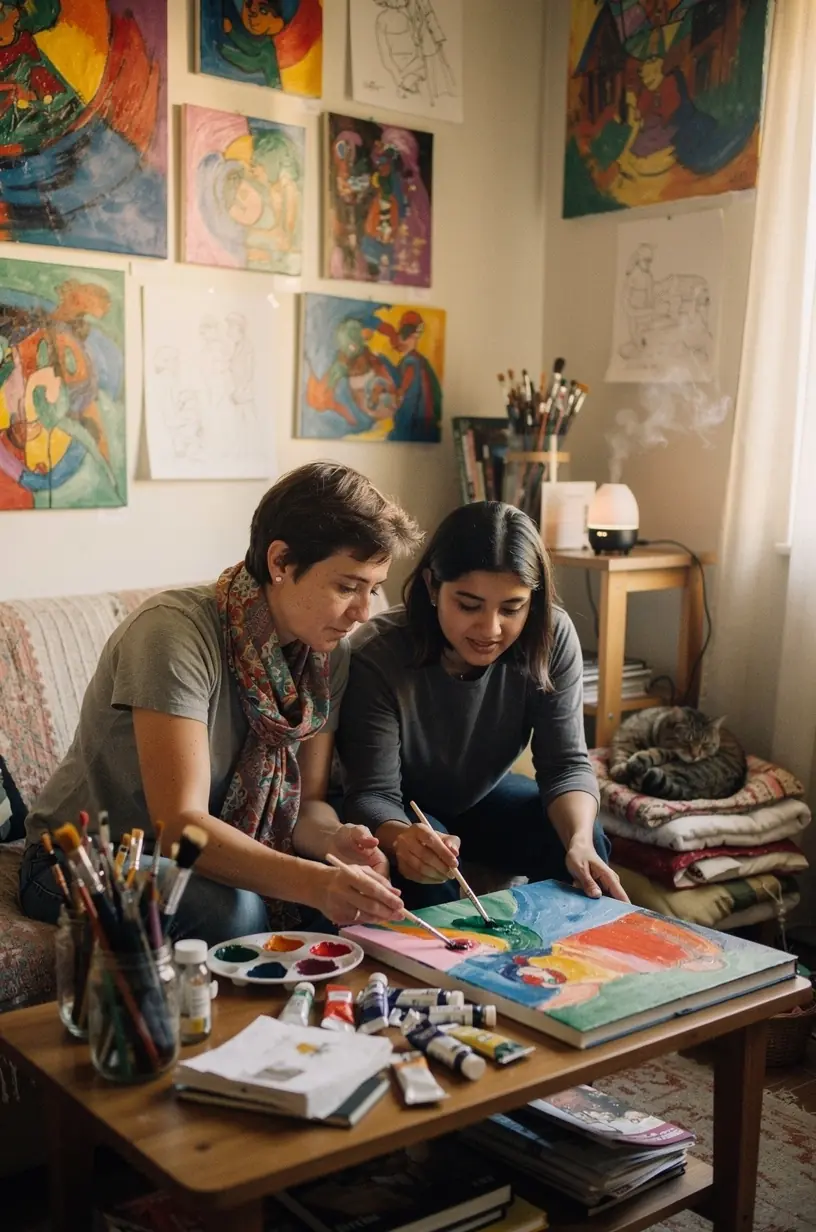
"Art therapy combines psychotherapeutic techniques with the creative process to improve mental health." - American Art Therapy Association
How Art Therapy Works
The effectiveness of art therapy lies in its ability to provide a safe space for self-expression. The process typically involves several key components:
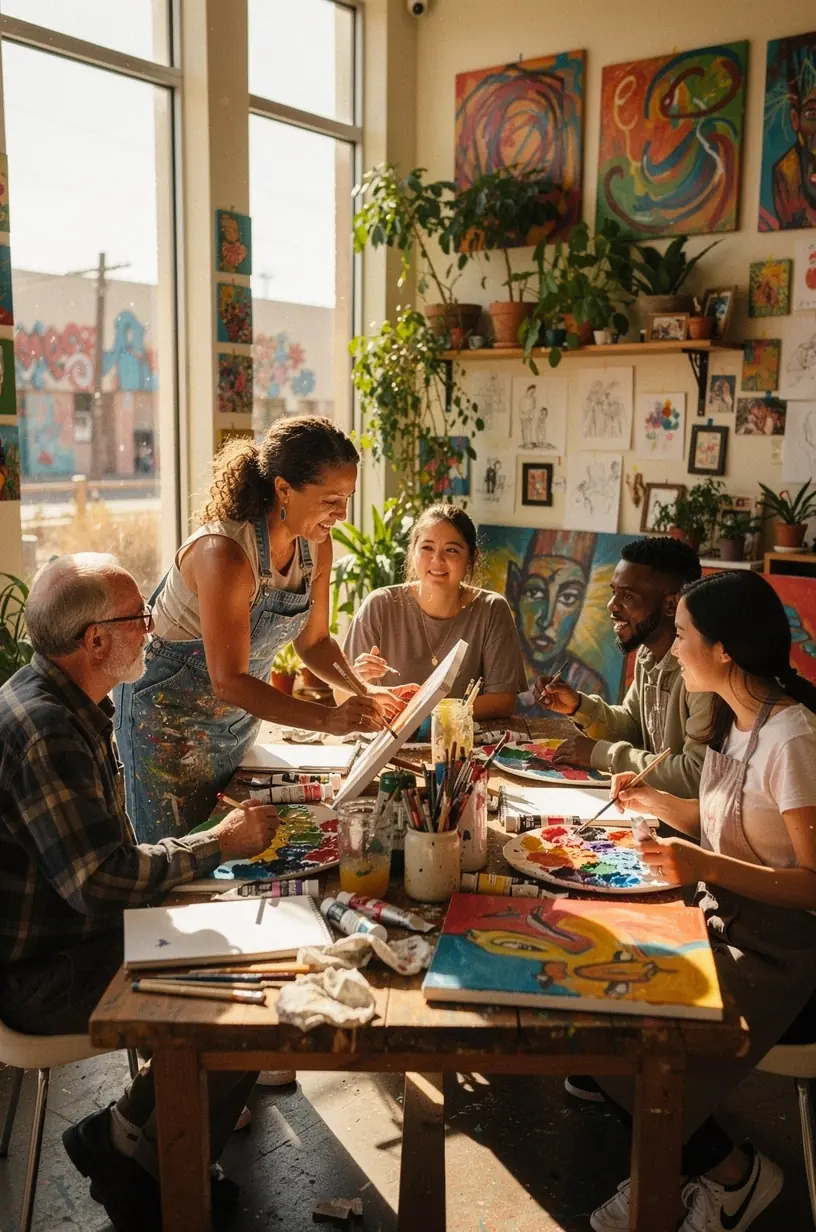
- Creating Art: Participants engage in drawing, painting, or sculpting, which allows them to express feelings that may be hard to articulate verbally.
- Reflecting on the Art: This step encourages participants to explore their creations, which can lead to insights about their emotions and stressors.
- Facilitated Discussion: A trained art therapist guides participants in discussing their artwork, enabling a deeper understanding of their emotional states.
Research indicates that creative expression can lower cortisol levels, the hormone associated with stress. Many users report feeling a sense of calm and clarity after engaging in art therapy sessions.
Implementing Art Therapy for Stress Relief
Here’s a step-by-step guide to incorporating art therapy into your routine for stress management:
- Set Aside Time: Dedicate at least 30 minutes a few times a week to engage in creative activities. Consistency is key for effective stress relief.
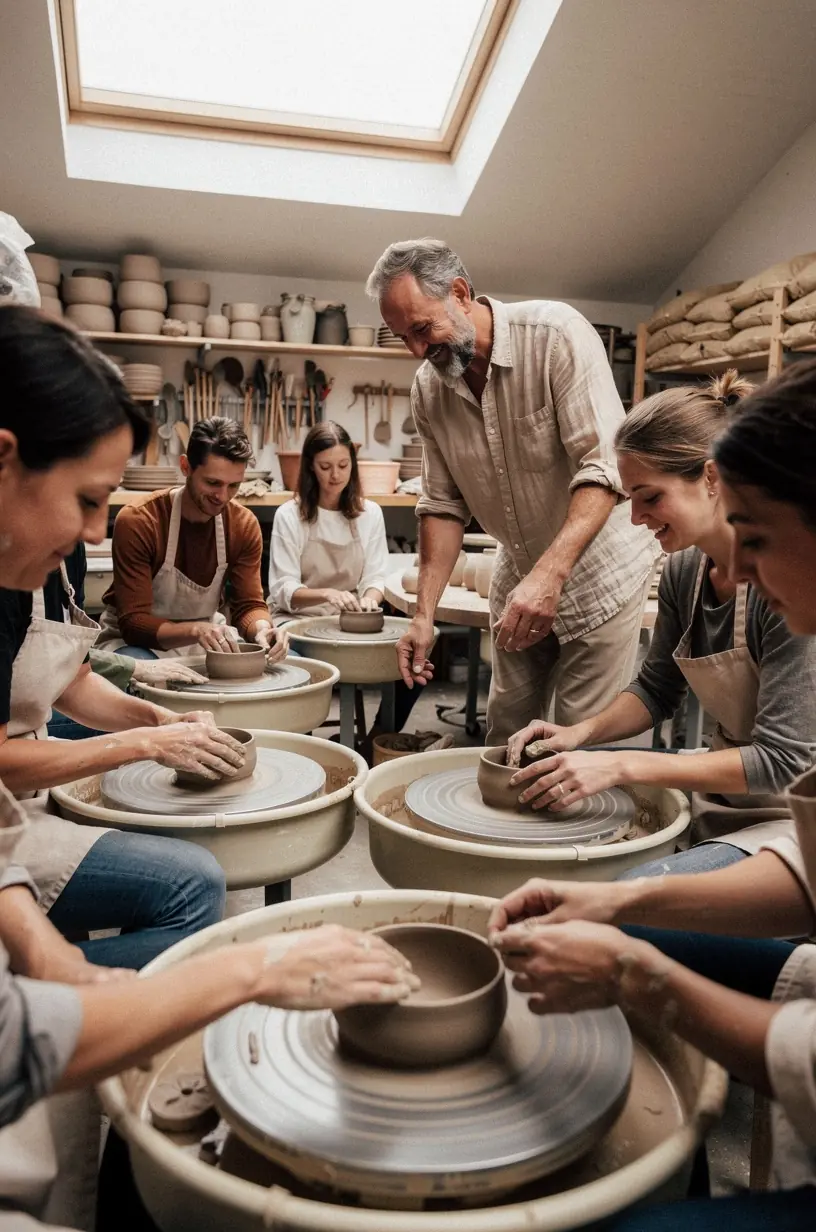
- Choose Your Medium: Decide whether you want to draw, paint, or work with clay. Selecting a medium that feels comfortable can enhance your experience.
- Create Without Judgment: Focus on the process rather than the outcome. Allow yourself to create freely without the expectation of producing a masterpiece.
- Reflect on Your Work: After creating, take a moment to analyze your thoughts and feelings about the experience. Journaling about your art can deepen your understanding.
While art therapy can be highly beneficial, it is essential to acknowledge that it typically requires time and practice to see significant results. Participants may need to engage in this process regularly to experience the full range of benefits.
Conclusion
Art therapy is an effective approach that can help many individuals manage stress through creative expression. By dedicating time to explore your artistic side, you may discover new ways to cope with life's challenges. While results can vary, and it may take several sessions to feel the impacts fully, the journey itself is often rewarding. Remember, art therapy is not just about the finished product but rather the personal insights gained along the way.
For those interested in structured offline programs, consider reaching out to local creativity centers that specialize in art therapy. They can provide a supportive environment and expert guidance tailored to your needs.
Discover More