How to Choose the Right Medium for Self-Expression
Selecting the appropriate medium for self-expression can significantly enhance your creative journey. Engaging with art therapy and structured offline programs can provide a supportive environment for relaxation and self-discovery. This article will guide you through the essential considerations for choosing the right medium.
Understanding the Basics of Art Therapy
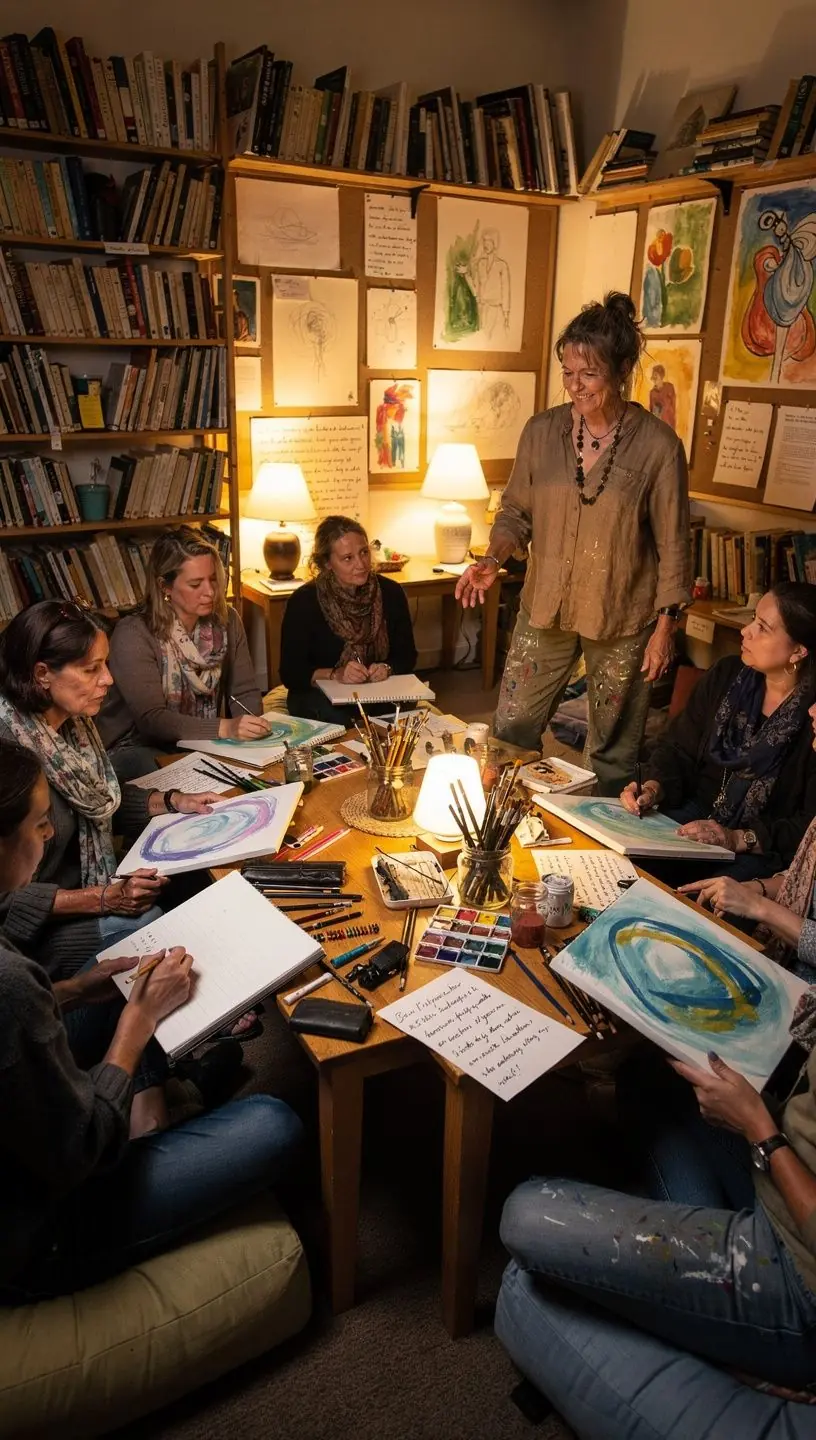
Art therapy involves using creative processes to improve mental, emotional, and physical well-being. According to research published in the International Journal of Art Therapy, engaging in artistic activities can reduce symptoms of anxiety and depression. This works because the act of creating allows individuals to express feelings that may be difficult to articulate verbally.
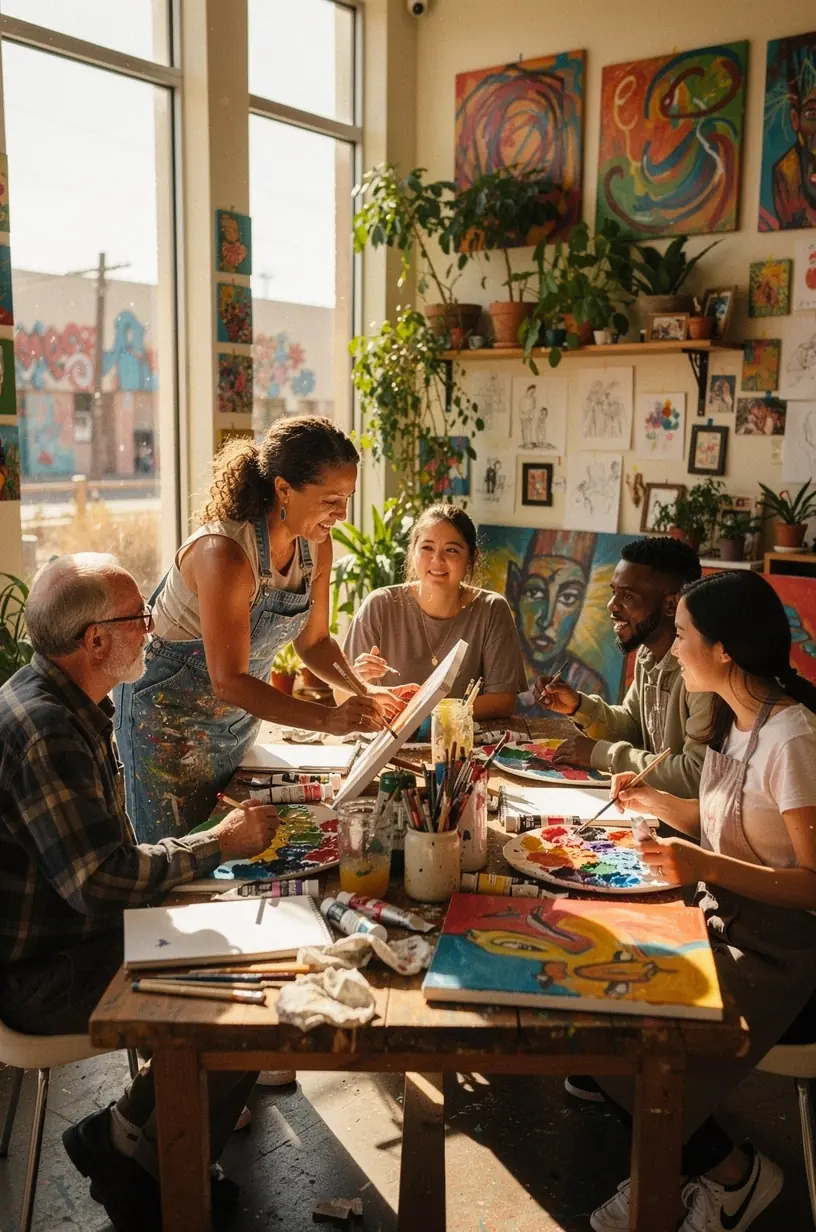
"Art therapy is not just about creating art; it's about the experience and emotional expression that comes with it." - Art Therapy Association
Factors to Consider When Choosing a Medium
When deciding on a medium for self-expression, consider the following factors:
- Personal Preference: Many users report that selecting a medium they are naturally drawn to enhances their enjoyment and engagement. Experiment with various options like painting, drawing, sculpture, or digital art to discover what resonates most with you.
- Emotional Needs: Different mediums can evoke various emotions. For instance, painting may provide a sense of freedom and exploration, while clay modeling can offer a grounding experience. Reflect on what emotions you wish to express and how each medium may facilitate that.
- Time Commitment: Some mediums, such as watercolor painting, may require a shorter time investment compared to ceramics, which typically takes several weeks for completion and drying. Assess how much time you can dedicate to your creative expression.
Exploring Different Mediums
Here’s a brief overview of popular mediums and their potential benefits:
- Painting: Often recommended for those seeking to explore color and form, painting can effectively express complex emotions. Studies suggest that the use of vibrant colors can significantly uplift mood.
- Drawing: A versatile and accessible medium, drawing requires minimal materials and can be practiced anywhere. This medium is particularly beneficial for individuals looking to develop their observational skills and hand-eye coordination.
- Sculpture: Working with three-dimensional forms can provide a tactile experience that promotes mindfulness. Sculpting with materials like clay or wire can be therapeutic as it engages both the mind and body.
Practical Tips for Getting Started
Before diving into a medium, consider these steps to prepare:
- Set Realistic Goals: Determine what you hope to achieve through your creative practice. This could range from improving relaxation techniques to developing a new skill. Setting clear intentions may enhance your focus and motivation.
- Create a Comfortable Space: Designate a space for your artistic endeavors that feels safe and inviting. A comfortable environment can significantly influence the quality of your creative experience.
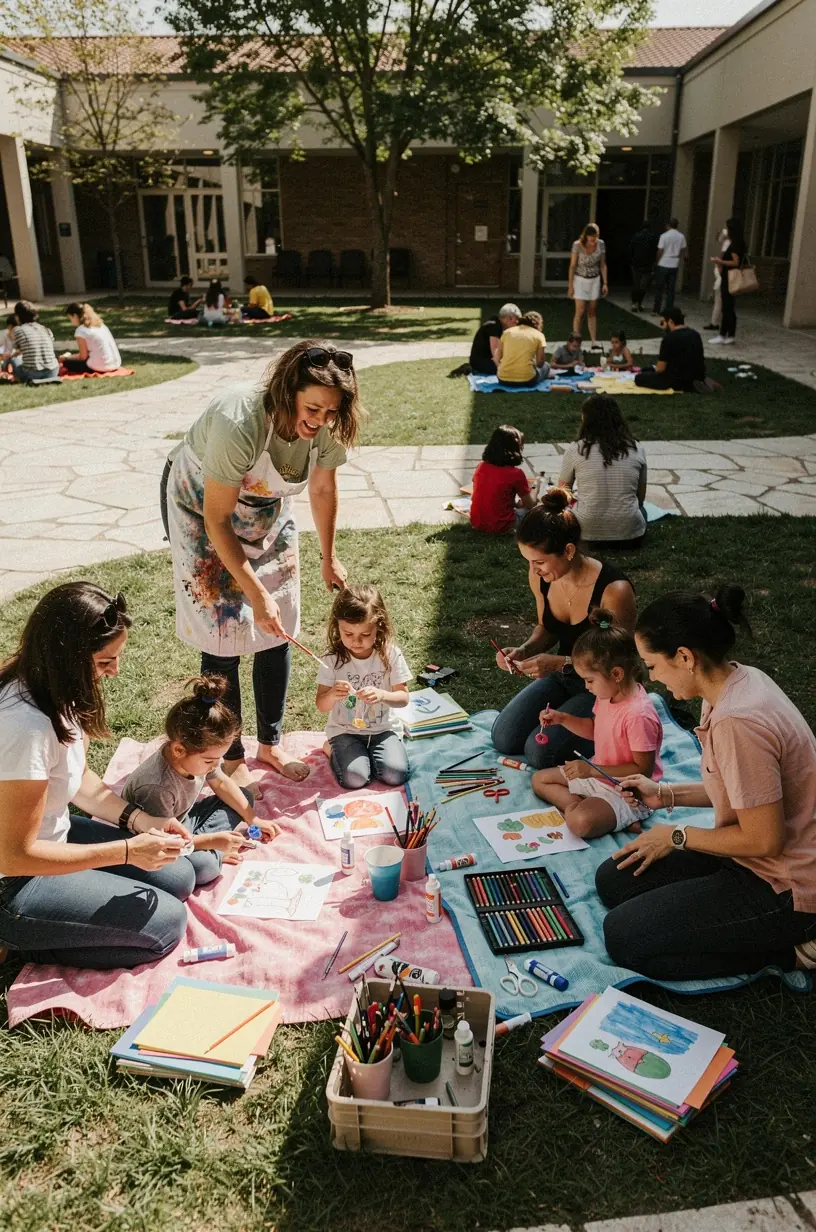
- Seek Guidance: Many individuals find it helpful to participate in structured programs or workshops led by experienced facilitators. These environments can provide valuable insights into various mediums and techniques.
Conclusion
Choosing the right medium for self-expression is a personal journey that can lead to profound discoveries and relaxation. By understanding your preferences, emotional needs, and the time commitment required, you can select a medium that enriches your creative process. Remember, exploring art therapy in a structured program can provide supportive guidance as you embark on this fulfilling journey.
Discover More