The Role of Color in Emotional Expression
Color plays a significant role in how we express and perceive emotions. Understanding the psychological effects of color can enhance the effectiveness of art therapy and creativity programs. This article explores the connection between color and emotional expression, offering insights into how colors can influence feelings and behaviors.
Understanding the Basics of Color Psychology
Color psychology is a field that studies how colors affect human behavior and emotions. According to research conducted by color experts, colors can evoke specific feelings and responses, often without individuals being consciously aware of it. For instance, studies show that warm colors like red and yellow can stimulate energy and excitement, while cool colors like blue and green are often associated with calmness and tranquility.
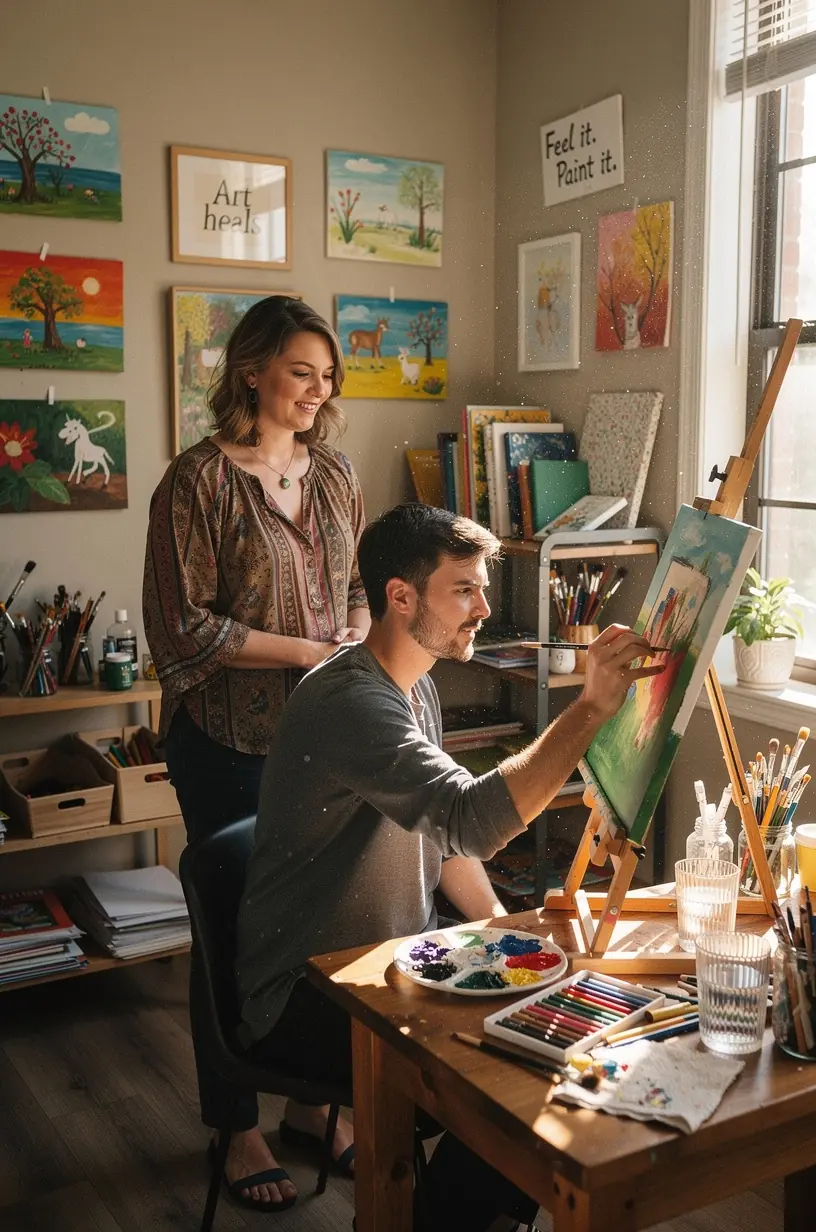
"Colors have a profound impact on our emotions, influencing how we feel and how we express those feelings in art." – Color Psychology Expert
The Emotional Impact of Colors
Different colors can convey various emotions and messages, making color selection an essential part of art therapy. Here are some commonly recognized emotional associations with specific colors:
- Red: Often linked to passion, love, and anger, red can stimulate strong emotional responses.
- Blue: Typically associated with calmness and serenity, blue can help reduce feelings of stress and promote relaxation.
- Yellow: This color is often linked to happiness and optimism, making it effective in uplifting moods.
- Green: Associated with nature, green is known for its calming effects and can promote feelings of balance and harmony.
- Purple: Frequently linked to creativity and spirituality, purple can inspire imagination and introspection.
Practical Application in Art Therapy
In art therapy, understanding how colors can influence emotions allows therapists to guide clients in their creative processes. Here’s how color can be applied effectively:
- Encouraging Self-Expression: Clients can be encouraged to choose colors that resonate with their current emotional state, helping them articulate feelings that may be difficult to express verbally.
- Creating a Safe Space: Therapists can create an environment with soothing colors to promote relaxation and comfort, which is vital for productive sessions.
- Color-Coded Techniques: Using specific colors for different exercises can structure sessions, allowing clients to explore a range of emotions in a guided manner.
Challenges and Considerations
While the impact of color is significant, it is essential to acknowledge that individual responses may vary. Some clients may have specific associations with certain colors based on personal experiences. Therefore, it is critical for therapists to:
- Explore individual color preferences and aversions with clients.
- Recognize that color effectiveness may depend on cultural and personal contexts.
- Understand that while color can influence mood, it is not a standalone solution for emotional challenges and should be integrated with other therapeutic approaches.
Conclusion
The role of color in emotional expression is a fascinating area that is particularly relevant in the context of art therapy. By understanding how colors can influence feelings and behaviors, therapists can better facilitate relaxation and self-expression in their clients. While color can be a powerful tool, it is essential to approach its use thoughtfully, considering individual differences and the context of each therapy session.
Discover More