Exploring Different Art Therapy Techniques
Art therapy combines creative expression with psychological healing, offering individuals a method to explore emotions and enhance their well-being. This article delves into various art therapy techniques that can aid in relaxation and self-expression, helping you understand their benefits and how they can be effectively integrated into your life.
Understanding Art Therapy
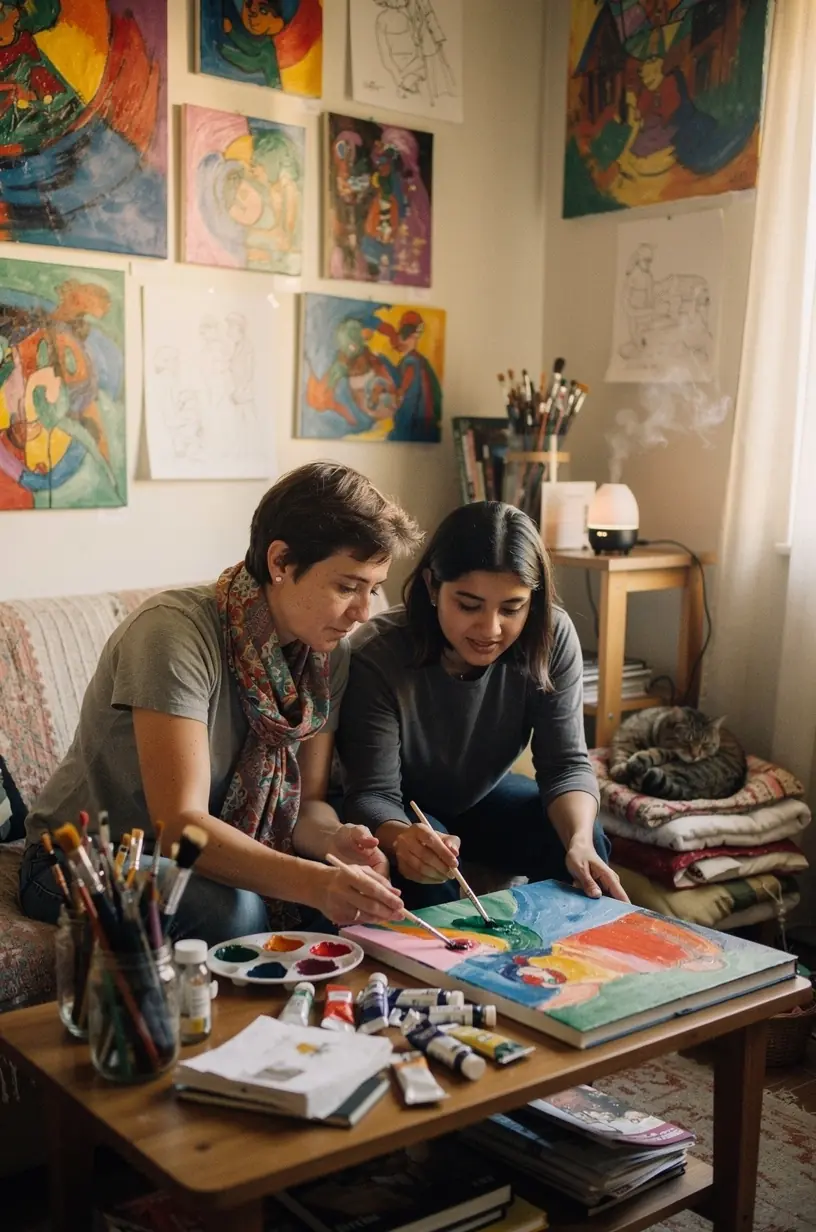
Art therapy is a therapeutic practice that uses creative processes to improve mental, emotional, and physical health. According to research from the American Art Therapy Association, engaging in artistic activities can facilitate emotional expression and reduce symptoms of anxiety and depression. Art therapy typically involves working with a qualified therapist who guides individuals through the creative process.
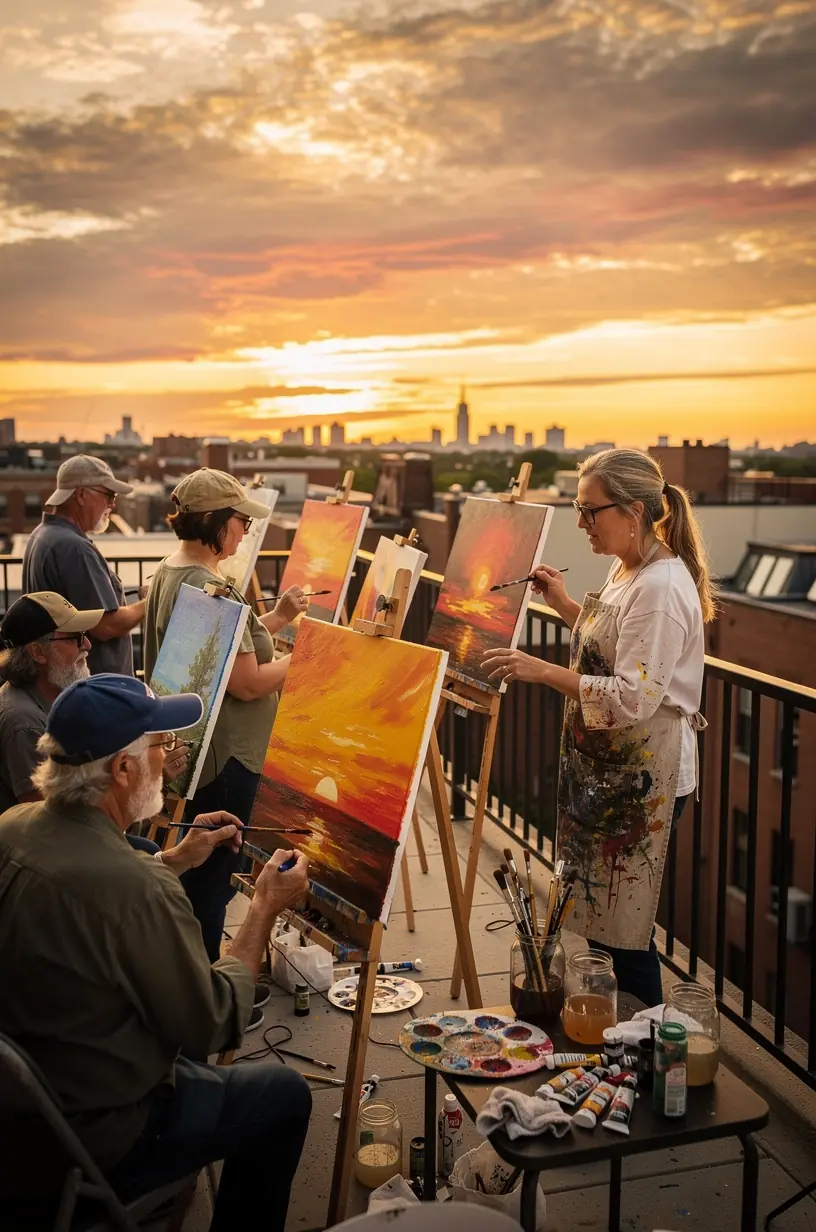
"Art therapy is not just about creating art; it's about using the act of creation as a pathway to healing." - Art Therapy Expert
Common Techniques in Art Therapy
Various techniques can be employed in art therapy sessions. Here are a few prevalent methods:
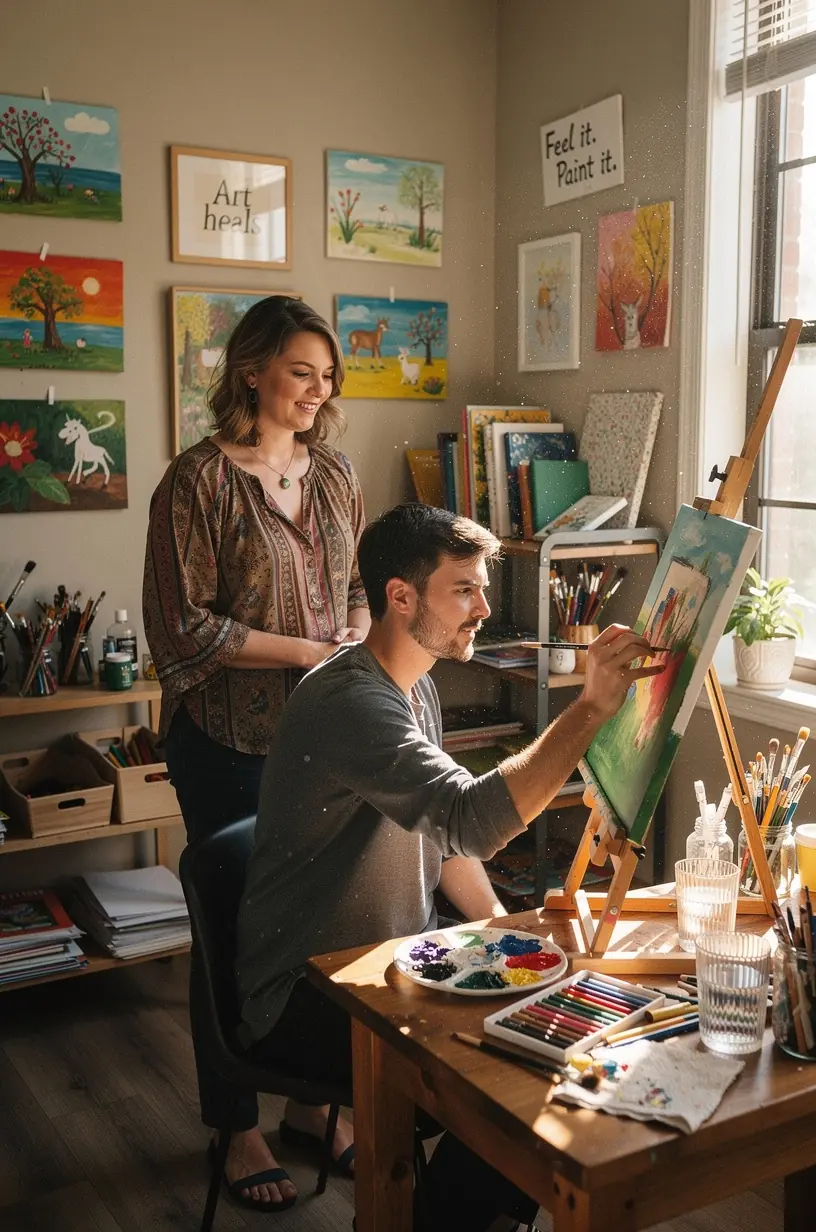
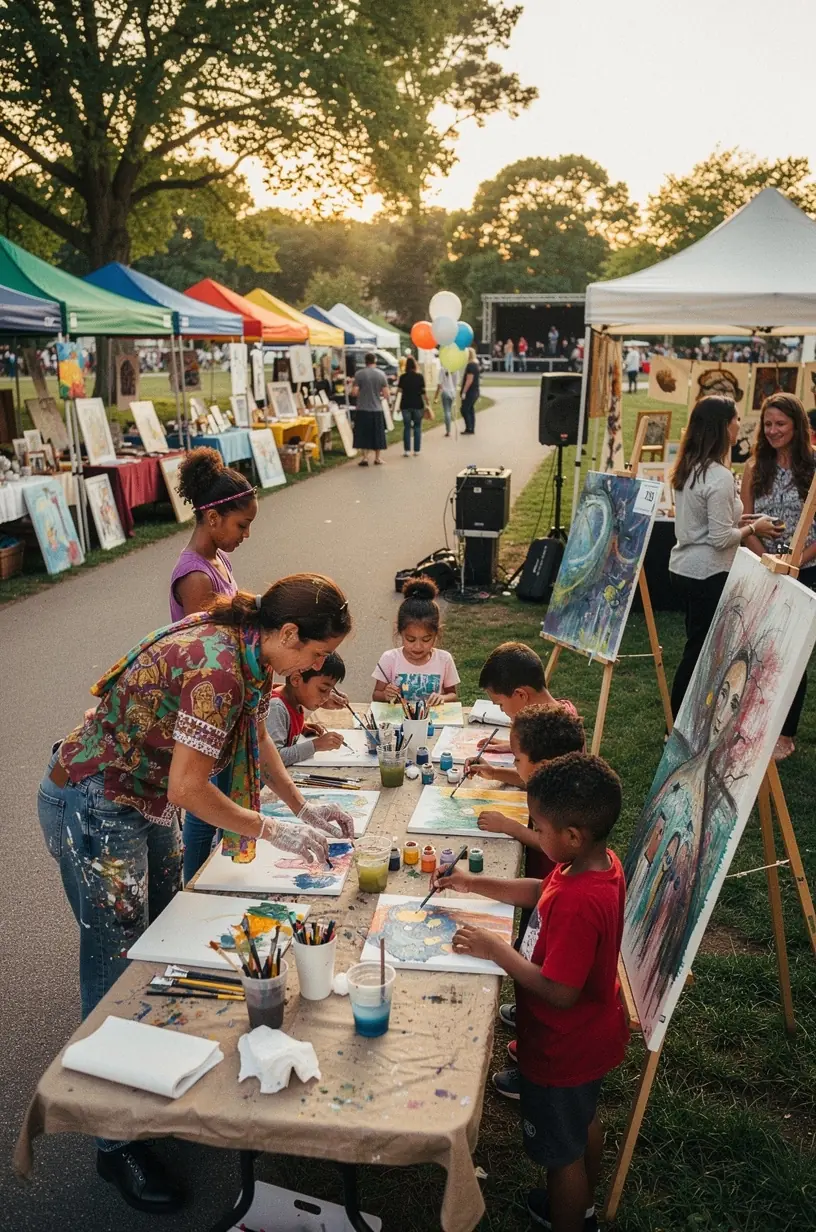
- Visual Arts: This includes drawing, painting, and collage-making. These activities provide a tangible way to express feelings that may be difficult to verbalize. Many users report that visual arts can help clarify their thoughts and emotions.
- Movement Arts: Techniques such as dance and body movement can enhance emotional expression. Studies show that incorporating movement can reduce stress levels and promote relaxation.
- Music Therapy: Using music as part of therapy sessions can engage different areas of the brain. This method often helps with emotional regulation and can create a calming environment for self-exploration.
- Drama Therapy: This involves role-playing and improvisation to explore personal narratives. Experts recommend this technique for addressing trauma and developing coping strategies.
The Benefits of Art Therapy
Art therapy is often praised for its ability to foster self-discovery and healing. Research indicates that participants typically experience:
- Improved Emotional Well-Being: Engaging in creative activities can help individuals process complex emotions and gain insights into their mental states.
- Enhanced Self-Esteem: Creating art allows for personal achievement and reinforces a sense of identity, which can significantly boost confidence.
- Stress Reduction: The act of creating art can be meditative, leading to reduced levels of stress and anxiety when practiced regularly.
Setting Realistic Expectations
While art therapy can be highly effective, it is essential to acknowledge that results may vary. Typically, individuals may notice improvements in their emotional state within a few weeks of consistent practice. However, achieving deeper insights or lasting change often requires a commitment of several months, making regular sessions important.
Conclusion
Art therapy offers diverse techniques that can enhance relaxation and self-expression. By understanding these methods and their benefits, you can begin to integrate art therapy into your life for improved mental wellness. Remember, while art therapy can be a powerful tool, it works best when combined with professional guidance and personal dedication.