Creating a Safe Space for Artistic Exploration
In a world filled with distractions and pressures, finding a space for relaxation and self-expression is crucial. Art therapy and creativity centers offer structured offline programs designed to foster a safe environment for artistic exploration. This article delves into how these safe spaces can support individuals on their creative journeys.
Understanding the Importance of a Safe Space
Safety is a foundational element in any artistic setting. According to research, a supportive environment not only encourages creativity but also promotes emotional well-being. A safe space allows individuals to express themselves without fear of judgment, which can significantly enhance the creative process. Experts recommend that these environments should prioritize comfort, accessibility, and inclusivity to cater to diverse groups.
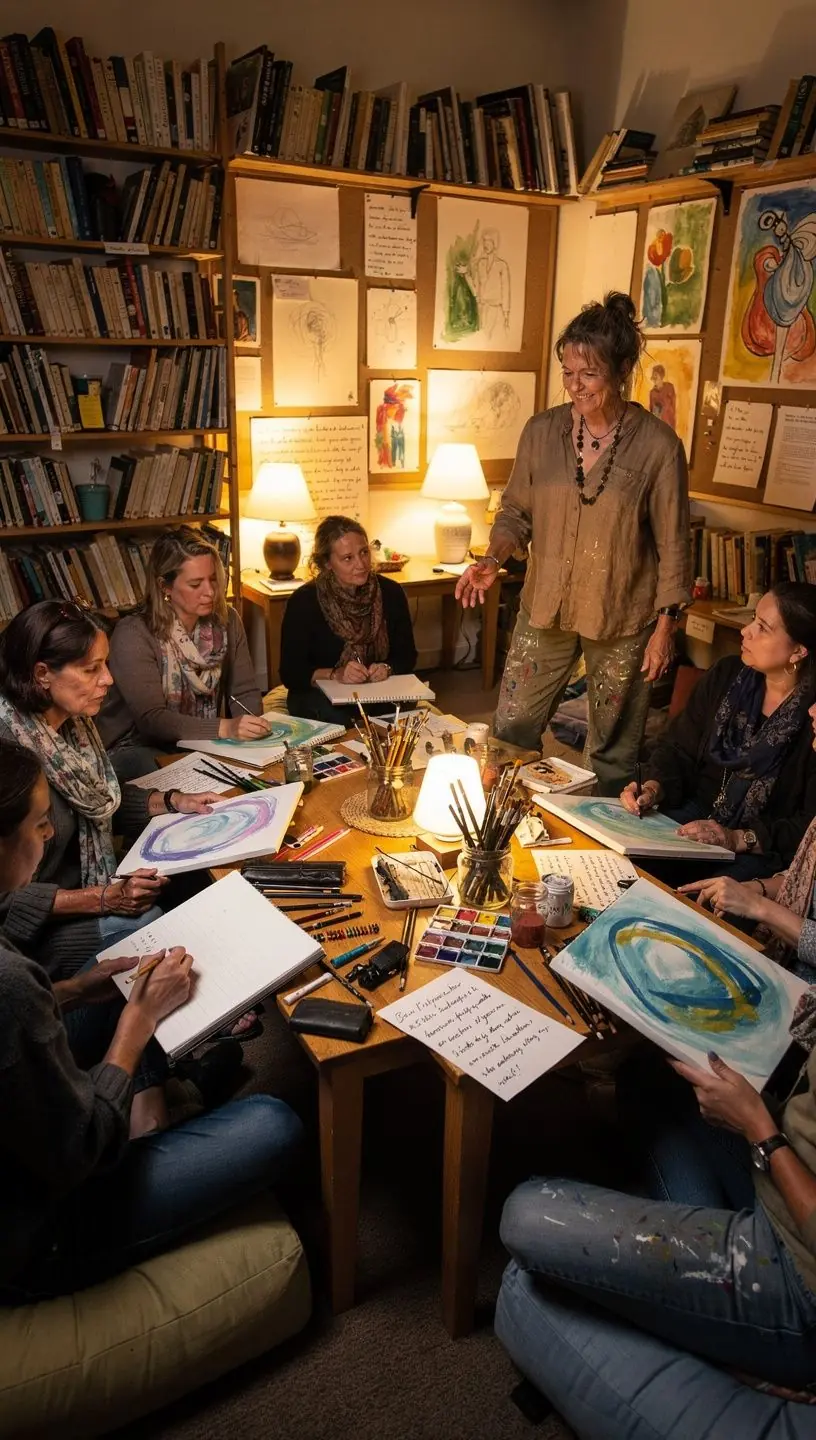
"A supportive environment can lead to increased creativity and emotional resilience, as individuals feel more secure in expressing themselves."
Creating the Right Environment
Several factors contribute to the creation of a safe space for artistic exploration:
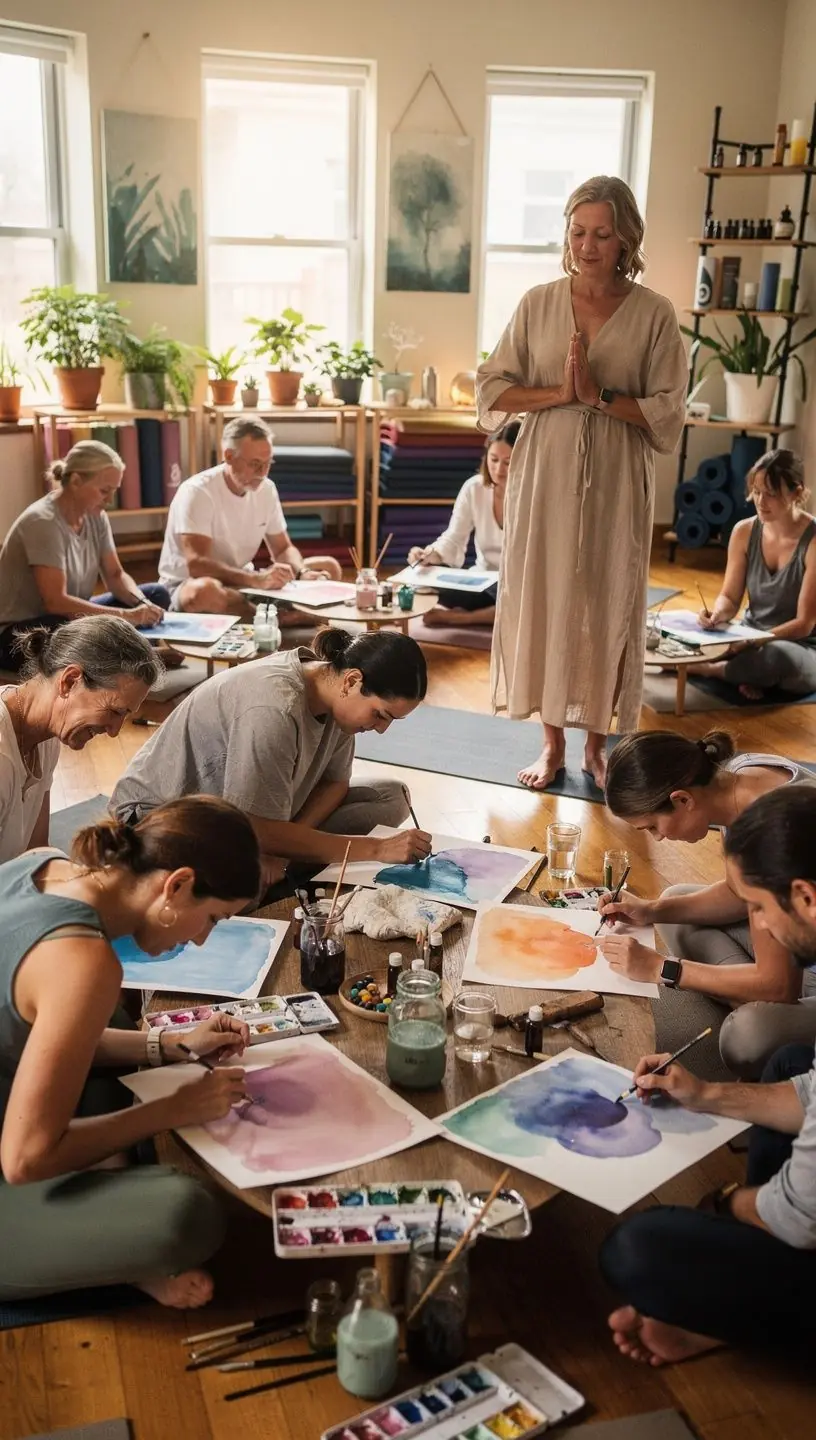
- Comfortable Setting: Ensure that the physical space is inviting. Research shows that elements like natural light, comfortable seating, and open areas can positively impact creativity.
- Encouragement of Expression: Programs should actively encourage participants to share their thoughts and feelings. This can be facilitated through group discussions or individual reflections, which have been shown to enhance self-awareness.
- Structured Guidelines: While freedom of expression is vital, establishing basic guidelines helps maintain respect and safety. Studies indicate that clear expectations around behavior can lead to a more productive and harmonious environment.
The Role of Art Therapy
Art therapy is a valuable tool within creative centers. It typically involves the use of artistic processes to improve mental health and emotional well-being. According to the American Art Therapy Association, art therapy can be particularly effective in reducing anxiety and improving mood. The principle behind this is that engaging in creative activities can serve as a form of catharsis, offering individuals an outlet for emotions they may struggle to express verbally.
Practical Steps for Individuals
For individuals looking to benefit from these safe spaces, consider the following practical steps:
- Find the Right Program: Look for creativity centers that align with your interests and comfort levels. Many offer introductory sessions that can help ease you into the experience.
- Engage Actively: Participate in discussions and activities. In most cases, the more you engage, the more you will benefit from the program.
- Practice Patience: Artistic exploration is not a race. Allow yourself time to develop your skills and express your emotions fully. Results typically appear after consistent engagement over several weeks.
Conclusion
Creating a safe space for artistic exploration is crucial for fostering creativity and emotional well-being. By understanding the importance of a supportive environment and utilizing art therapy, individuals can embark on a fulfilling journey of self-expression. Remember, the process of exploring art can take time and dedication, but the rewards often lead to profound personal growth and connection.
Discover More