How to Facilitate Group Art Therapy Sessions
Facilitating group art therapy sessions can be a rewarding way to promote relaxation and self-expression in participants. This article provides practical insights and evidence-based methods for effectively leading these sessions.
Understanding the Basics of Art Therapy
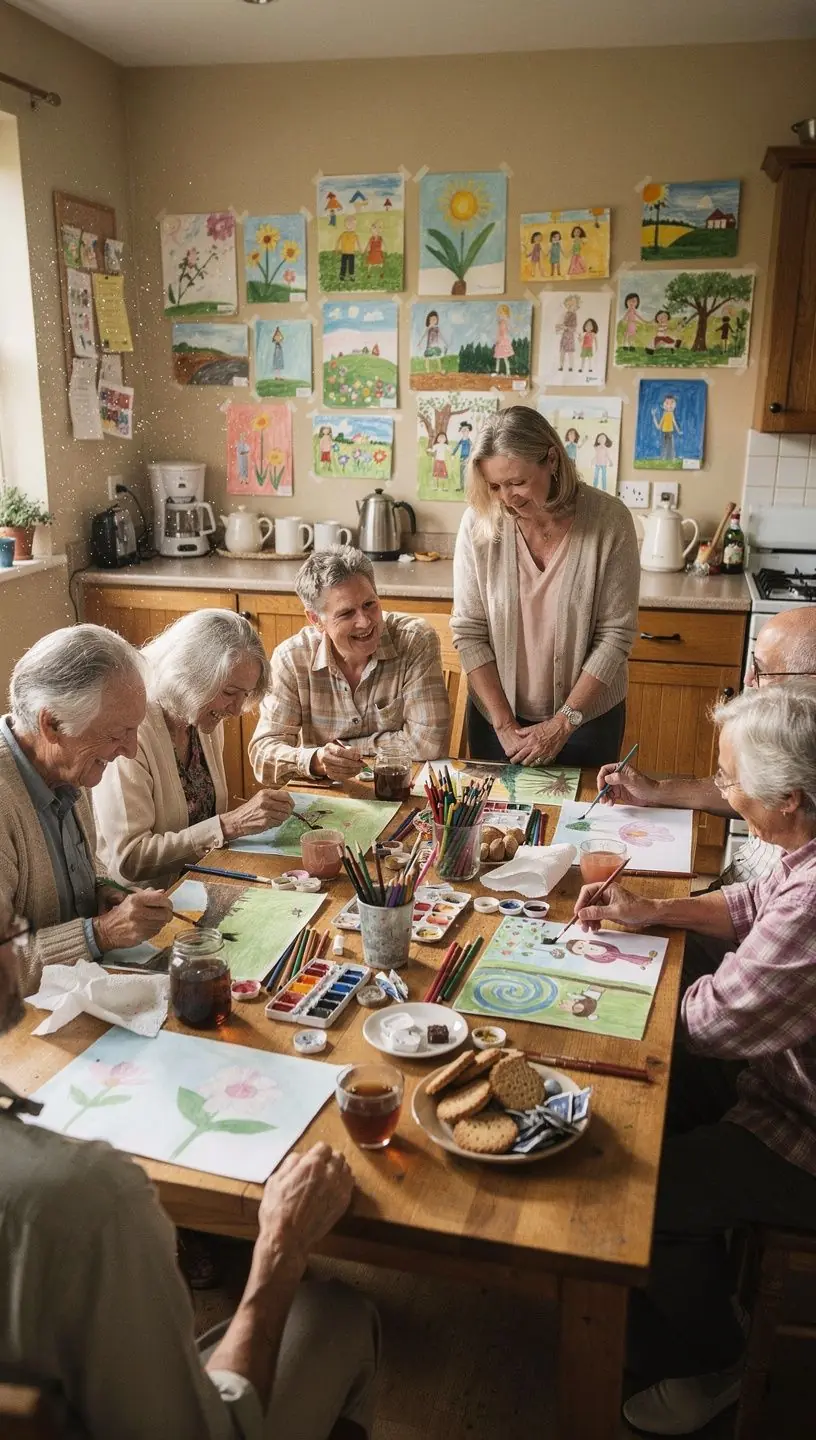
Art therapy blends psychology and artistic expression to help individuals explore their feelings and thoughts. According to research, engaging in creative activities can significantly reduce anxiety and improve emotional well-being. This is particularly true in a group setting, where interaction often enhances the therapeutic experience.
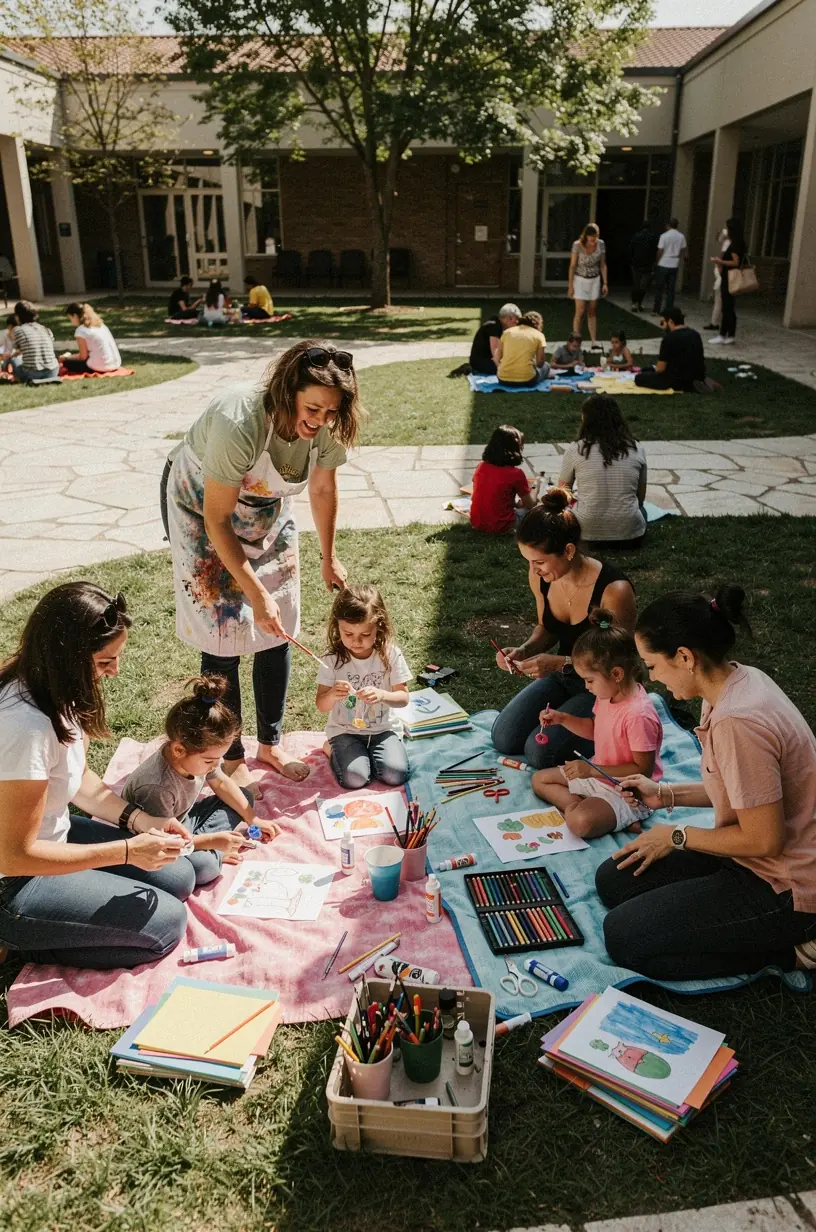
"Research indicates that group art therapy can foster a sense of community and support among participants, which may lead to improved mental health outcomes."
Preparing for the Session
To lead an effective art therapy session, preparation is essential. Here are some steps to consider:
- Define Objectives: Clearly outline the goals for your session. Whether it's self-exploration, relaxation, or building connections, having a clear purpose can enhance focus and outcomes.
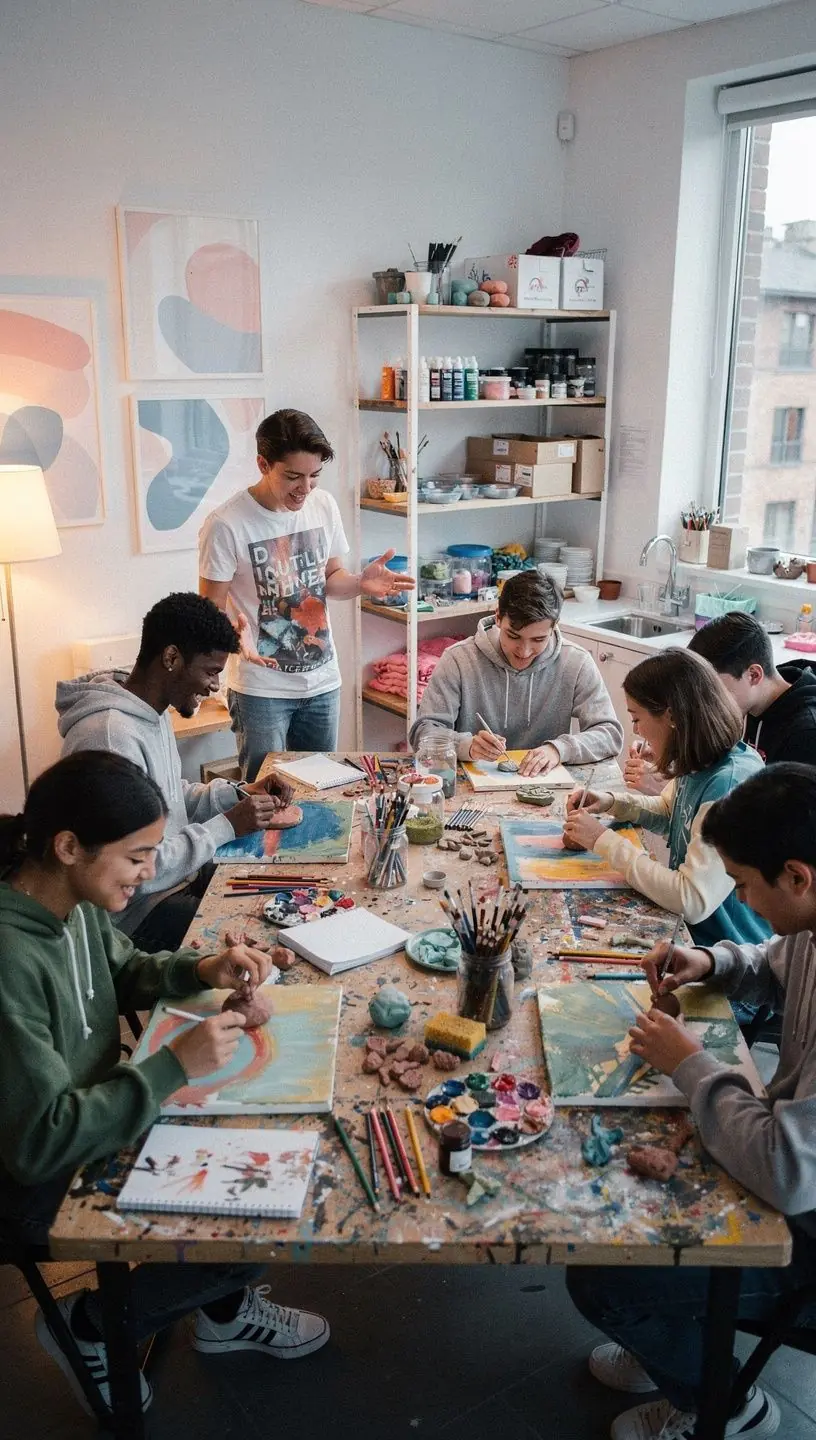
- Gather Supplies: Ensure you have a variety of art materials available. This may include paints, markers, clay, and canvas. Offering diverse options allows participants to express themselves in various ways.
- Create a Safe Space: Establish a comfortable environment where participants feel secure to express themselves. This often involves a relaxed atmosphere and ensuring confidentiality during discussions.
Facilitating the Session
During the session, it's important to maintain a structured yet flexible approach:
- Start with Icebreakers: Begin with simple activities to help participants feel comfortable and engaged. Icebreakers can foster a sense of community, making it easier for participants to open up.
- Introduce the Main Activity: Clearly explain the art activity you will be conducting. Providing context about how this activity relates to their emotional expression can motivate participants to engage more deeply.
- Encourage Expression: As participants work on their art, encourage them to express their feelings verbally if they feel comfortable. This dual expression can enhance their experience and understanding of their emotions.
Addressing Challenges
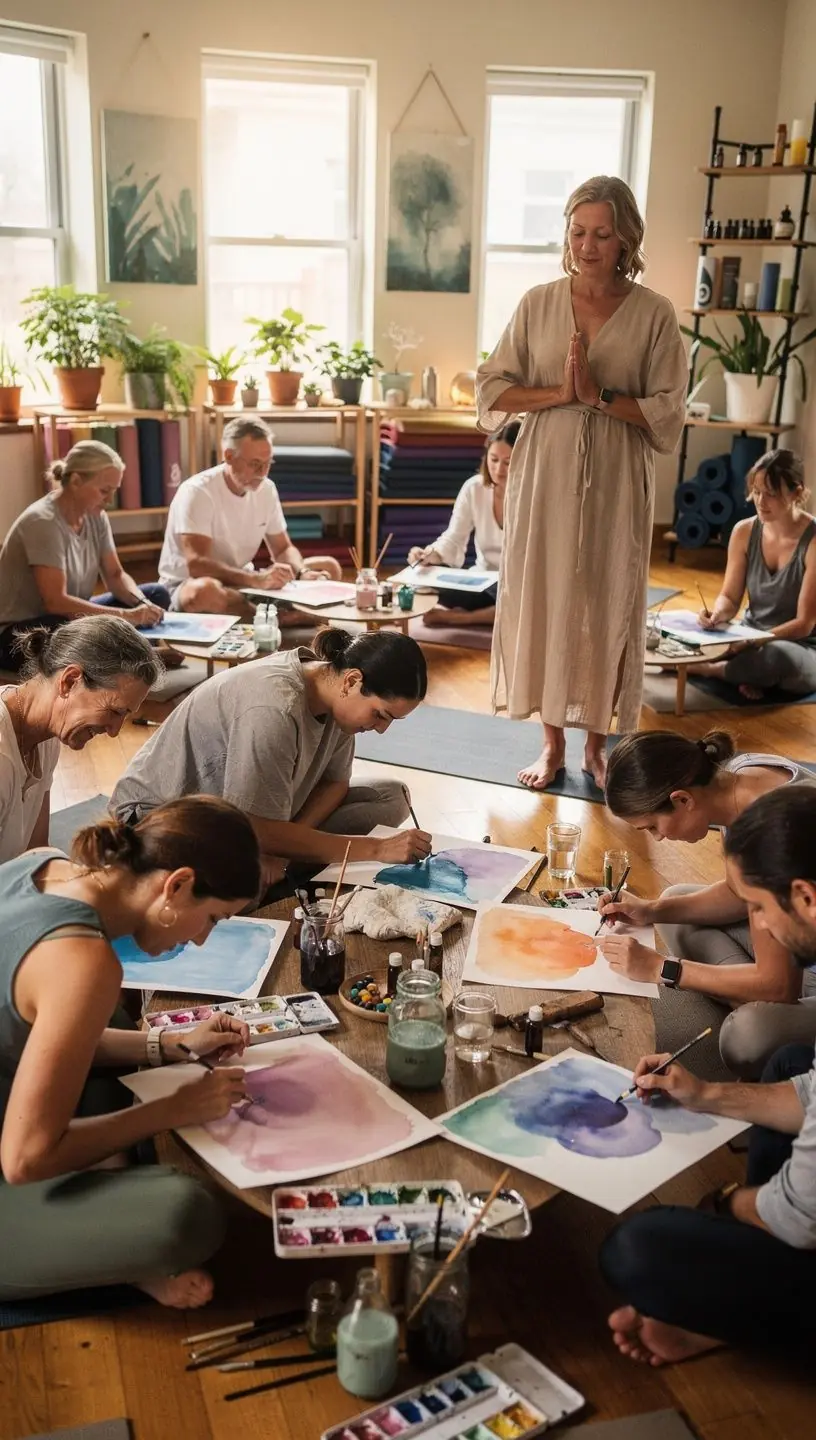
It’s important to acknowledge that not all participants may find it easy to express themselves. Some may face emotional barriers or feel intimidated by the creative process. In these cases, patience and gentle encouragement are key. Many experts suggest incorporating relaxation techniques, such as deep breathing or guided imagery, to help participants feel more at ease.
Concluding the Session
At the end of the session, allow time for participants to share their experiences and feelings about the art they created. This debriefing can be vital for processing emotions and reinforcing connections among group members. Remind participants that the value of art therapy lies not in artistic skill but in self-expression and exploration.
Conclusion
Facilitating group art therapy sessions can be a deeply rewarding experience that promotes relaxation and emotional expression. By preparing adequately, creating a supportive environment, and encouraging open communication, you can enhance the therapeutic benefits for all participants. Remember, the goal is not perfection but personal insight and growth.
Discover More