The Science Behind Art and Emotional Processing
Art therapy has gained recognition as a valuable tool for emotional expression and healing. This article explores the scientific principles behind art therapy and how creativity can aid in emotional processing.
Understanding the Basics
Art therapy combines the creative process of making art with psychological theory to help individuals express themselves and process emotions. According to the American Art Therapy Association, engaging in artistic activities can provide a non-verbal outlet for emotions that may be difficult to articulate through words.

Research indicates that creating art can stimulate the brain's reward system, leading to feelings of pleasure and fulfillment. This therapeutic approach is especially beneficial for those who experience anxiety or depression, as it allows for exploration and expression in a safe environment.
"Art therapy provides a unique way to process emotions that words alone cannot convey." – American Art Therapy Association
The Role of Art in Emotional Processing
Many users report that participating in art therapy sessions can lead to significant improvements in emotional well-being. This can be attributed to several factors:
- Facilitating Self-Expression: Art enables individuals to express feelings they might struggle to verbalize, helping to uncover underlying emotions.
- Reducing Anxiety: Engaging in creative activities can lower stress levels, as studies show that art-making can reduce cortisol, a stress hormone.
- Enhancing Self-Awareness: The reflective nature of art allows for deeper insight into one's emotions and experiences, promoting personal growth.
Practical Application of Art Therapy
While art therapy can be beneficial, it typically involves a commitment to practice and reflection. Here are some ways to incorporate art therapy principles into your routine:
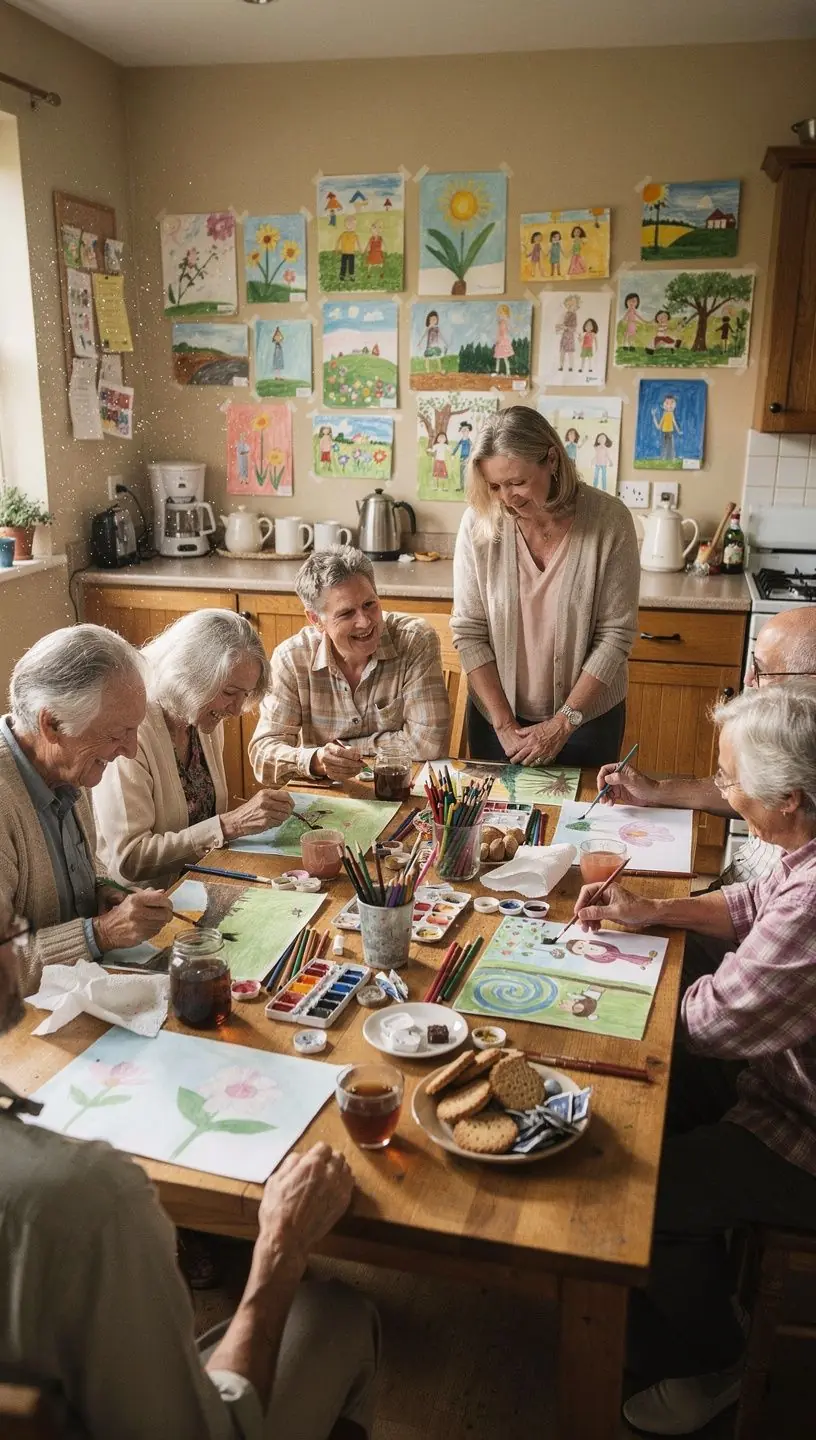
- Set Aside Regular Time: Dedicate time each week to engage in creative activities. Many users find that consistent practice enhances their emotional processing.
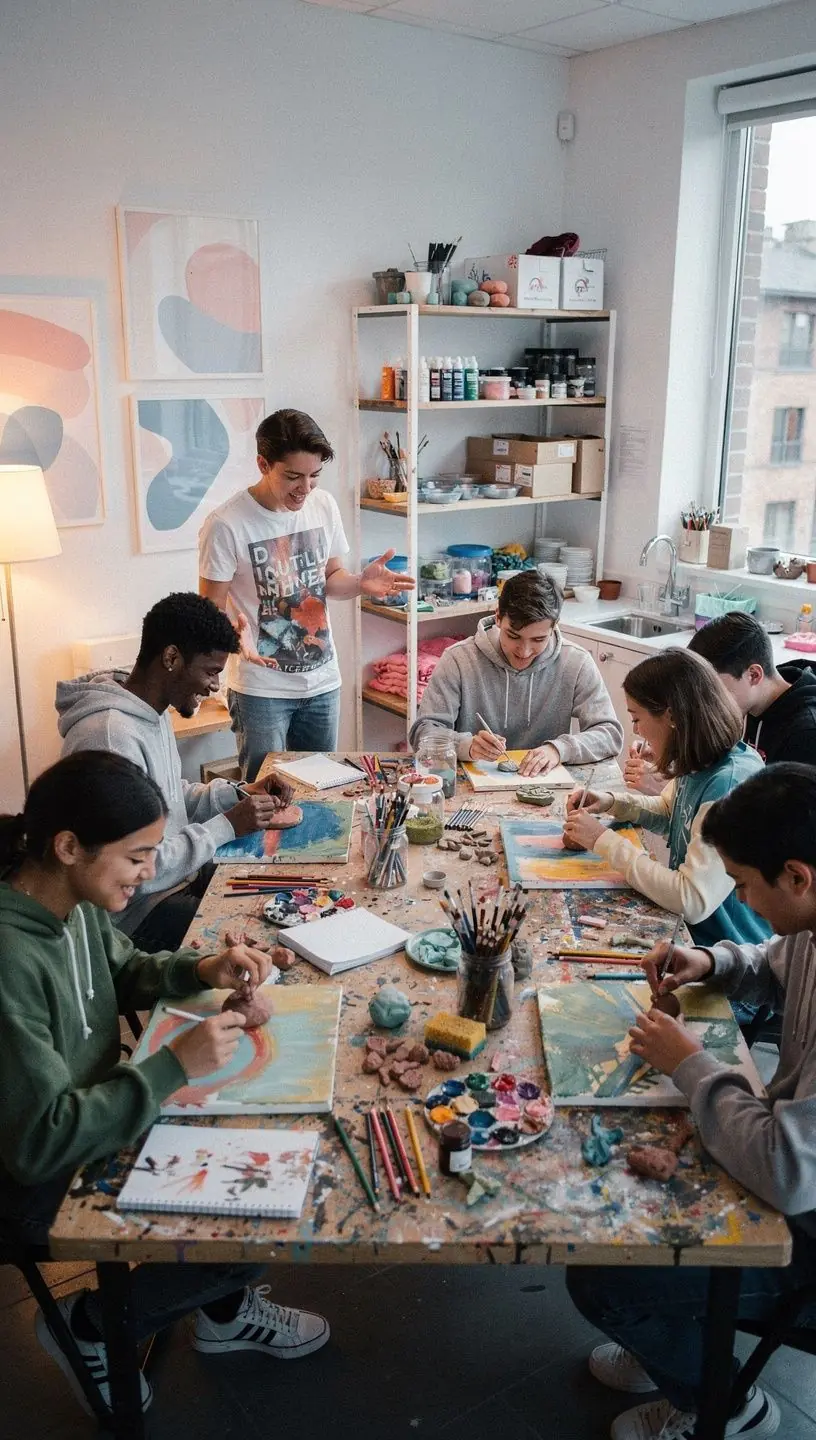
- Explore Different Mediums: Experiment with various forms of art, such as painting, drawing, or sculpting. This can help identify what resonates most with you.
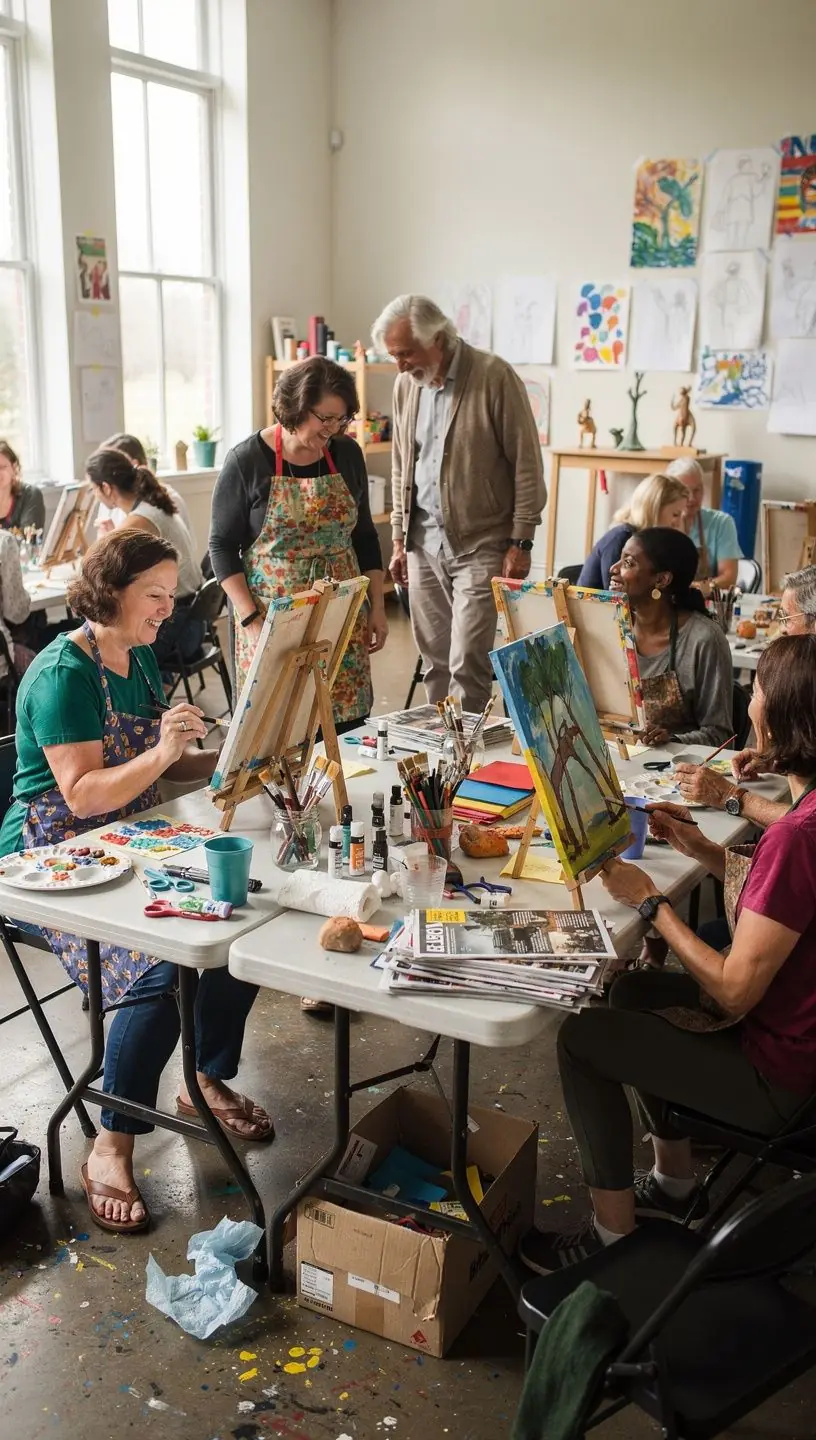
- Join a Structured Program: Participating in a guided art therapy program can provide support and structure, making it easier to delve into emotional exploration.
Acknowledging Limitations
It’s important to recognize that art therapy may not work for everyone. Some individuals may find it challenging to open up creatively, and the process typically requires practice and patience. Results may vary and usually appear over a period of weeks or months, depending on individual circumstances.
Additionally, art therapy is not a substitute for professional mental health treatment. In cases of severe emotional distress, it is advisable to seek guidance from a licensed therapist or mental health professional.
Conclusion
The integration of art therapy into emotional processing can be a powerful tool for many individuals seeking relaxation and self-expression. By understanding the science behind this approach, people can make informed decisions about how to engage with creativity for emotional health. Remember, investing time and effort into this process can lead to meaningful changes in emotional well-being.
Discover More