Practical Guide to Starting an Art Therapy Group
Art therapy can be a valuable tool for relaxation and self-expression. This guide provides practical steps for starting an art therapy group, ensuring you set realistic expectations and create a supportive environment for participants.
Understanding the Basics of Art Therapy
Art therapy is a creative process that uses artistic expression to enhance emotional well-being. According to research, engaging in creative activities can significantly reduce stress and anxiety levels. Many users report a sense of relief and improved mental clarity after participating in art therapy sessions.
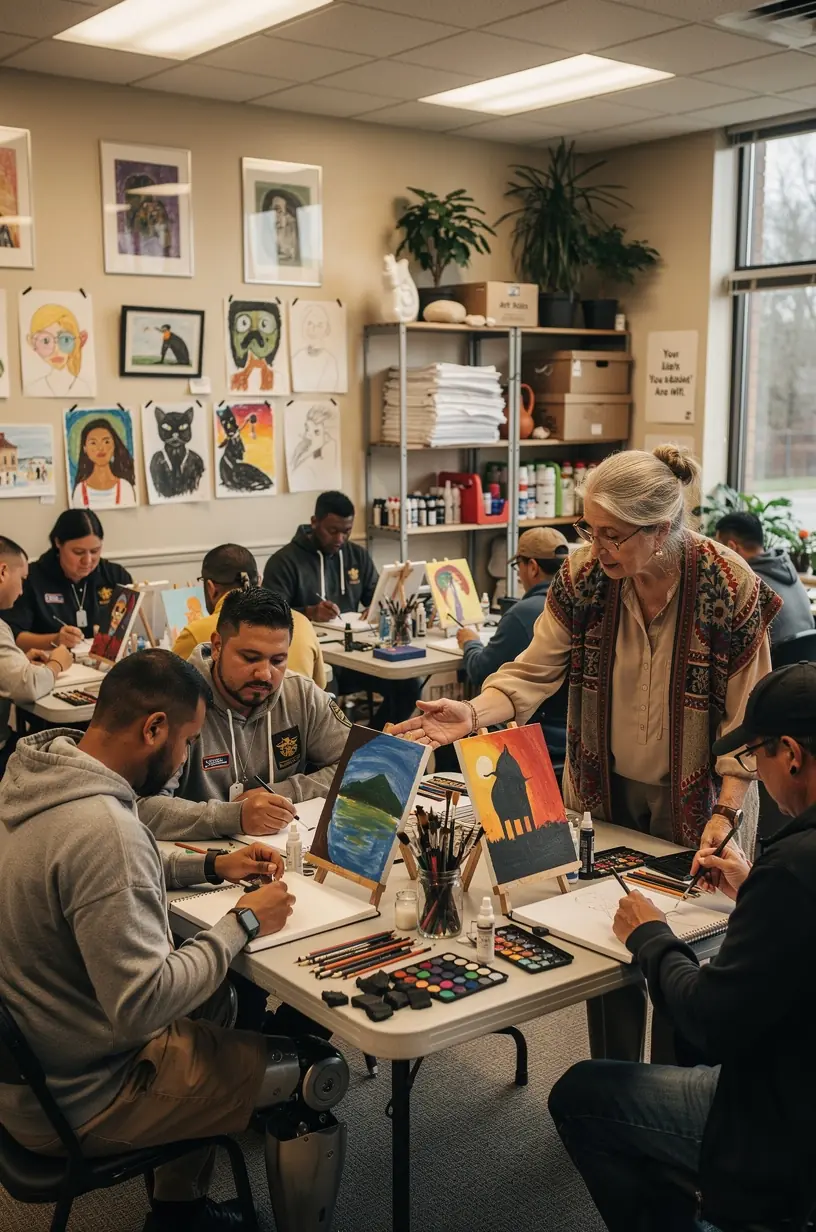
The principle behind art therapy lies in its ability to help individuals express feelings that might be difficult to articulate verbally. This approach is recommended by mental health professionals, particularly for those dealing with trauma or emotional challenges.
"Art therapy is not just about creating art; it's about the process of self-discovery and personal growth." - Industry Expert
Practical Steps to Start Your Art Therapy Group
- Define Your Goals: Determine what you aim to achieve with the group. This could range from reducing stress to fostering connections among participants. Experts recommend setting clear and measurable objectives for effective outcomes.
- Establish a Safe Environment: A supportive atmosphere is critical for participants to feel comfortable expressing themselves. Research indicates that a non-judgmental space encourages creativity and openness.
- Develop a Structured Curriculum: Plan your sessions with specific themes or techniques. Many successful art therapy groups incorporate various mediums, such as painting, drawing, or sculpture, to cater to different preferences and skills.
- Facilitate with Empathy: As a facilitator, your role is to guide participants through the creative process. This involves being open to their experiences and providing gentle encouragement. Studies show that empathetic leadership can enhance participants' engagement and satisfaction.
- Evaluate and Adapt: After a few sessions, gather feedback from participants to assess the effectiveness of the group. This reflective practice is essential, as it allows you to adjust your approach based on the needs and responses of the group.
Considerations and Limitations
Starting an art therapy group typically takes time and dedication. Participants may require several sessions to feel comfortable and fully engage in the process. Commitment to regular meetings, often weekly for a period of 6-12 weeks, is recommended to foster trust and continuity.
It’s important to note that while art therapy can significantly benefit many, it may not be suitable for everyone. Individuals with severe psychological conditions should consult a licensed therapist before joining such groups.
Conclusion
Establishing an art therapy group can be a rewarding endeavor that promotes relaxation and self-expression. By following these practical steps and maintaining a focus on creating a safe and supportive environment, you can help participants embark on their journey of self-discovery through art. Remember to set realistic expectations and be prepared to adapt your approach to meet the evolving needs of the group.
Discover More