How Creative Expression Enhances Mental Health
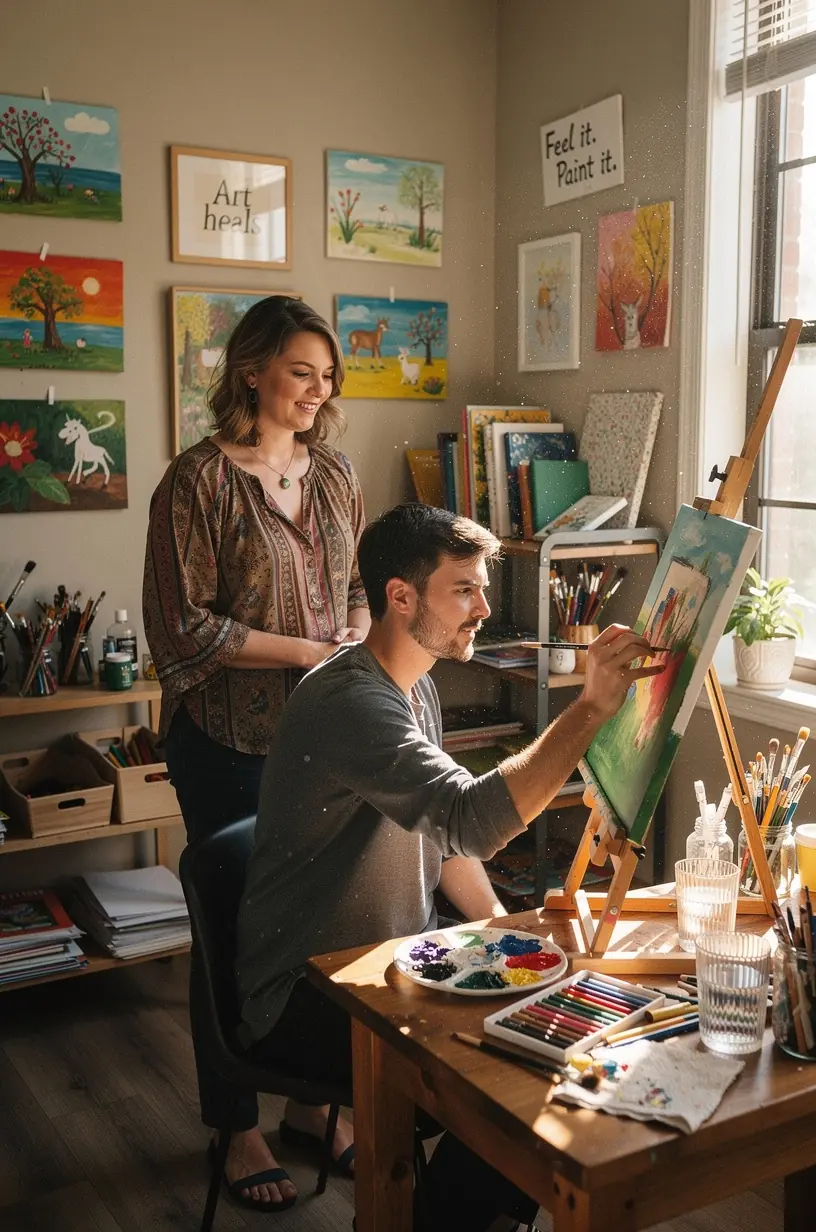
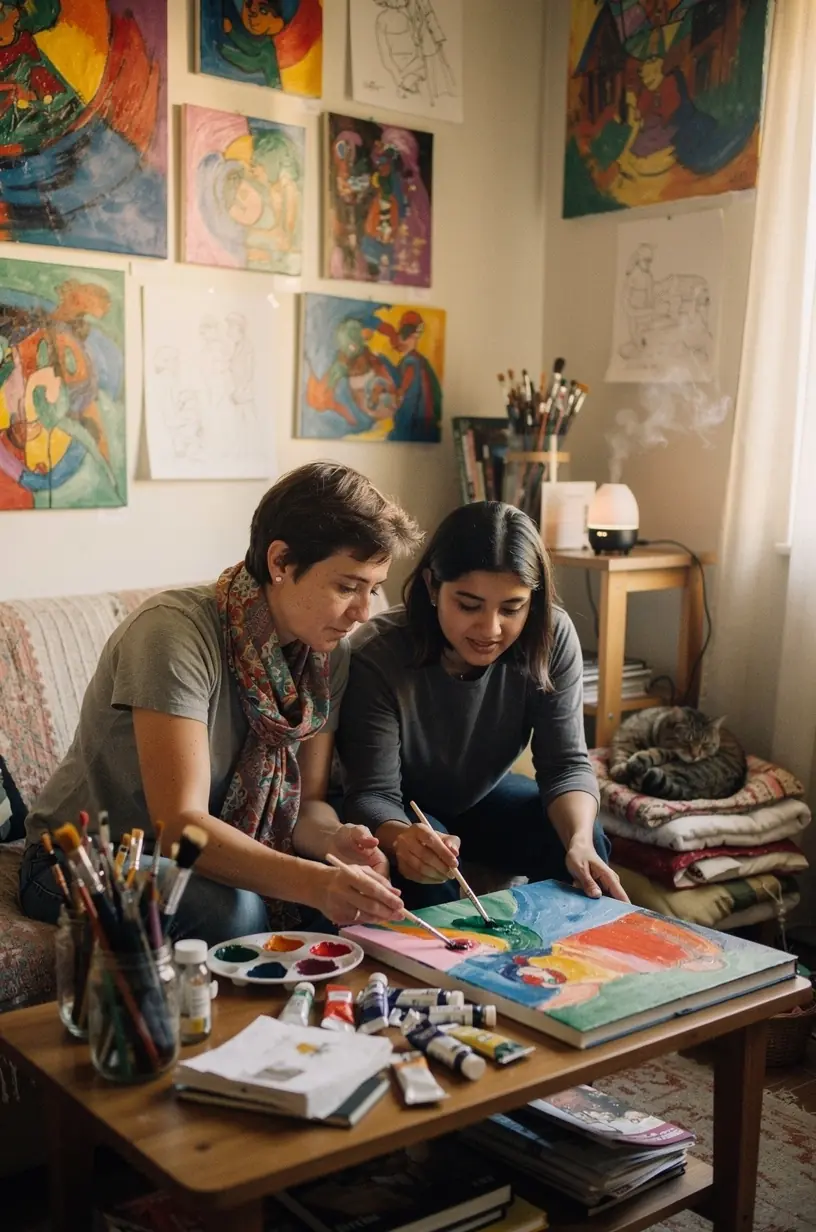
Creative expression has long been recognized as a powerful tool for enhancing mental health. Engaging in activities such as painting, writing, or dancing can provide a means of relaxation and self-expression. In this article, we will explore how creative outlets contribute to psychological well-being and why they are an essential component of mental health support.
Understanding the Therapeutic Benefits of Creativity
Creative expression can significantly affect mental health by offering individuals a way to process emotions and experiences. According to studies, engaging in artistic activities often leads to reductions in anxiety, depression, and stress levels. Research from the American Journal of Public Health indicates that participating in creative endeavors can enhance emotional resilience and foster a sense of community among participants.
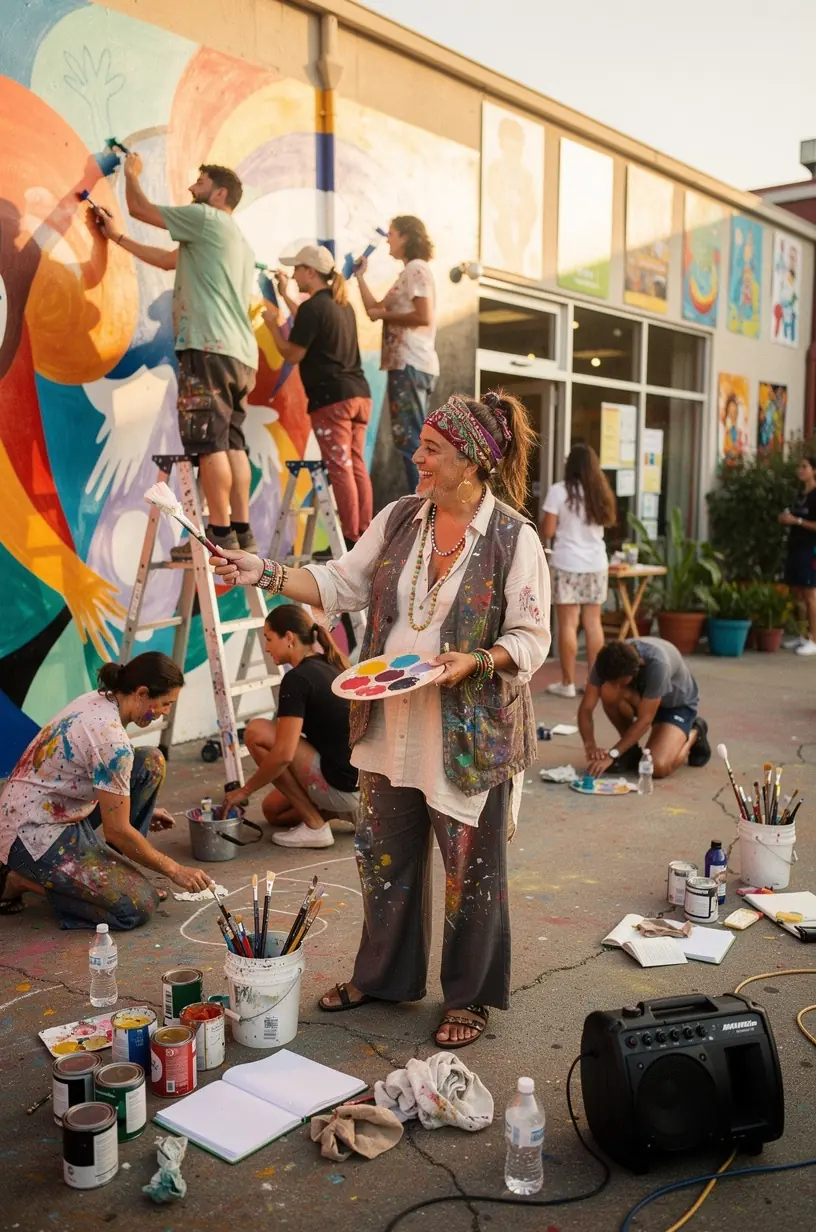
"Art therapy can serve as a valuable tool in providing a safe space for individuals to express their feelings and experiences."
The Mechanisms Behind Creative Expression
Many experts suggest that the benefits of creative expression stem from several psychological principles:
- Emotional Release: Creative activities can allow individuals to release pent-up emotions, facilitating healing and personal growth.
- Mindfulness: Engaging in artistic practices often requires focusing on the present moment, which can help reduce racing thoughts and promote relaxation.
- Self-Discovery: Creativity encourages individuals to explore their identity and feelings, often leading to greater self-awareness and understanding.
Practical Ways to Incorporate Creativity in Daily Life
Implementing creative expression into your routine can be straightforward and rewarding. Here are some effective strategies:
- Set Aside Time: Dedicate specific time slots each week for creative activities. This typically takes 1-2 hours, allowing you to focus without distractions.
- Try Different Mediums: Experiment with various forms of creativity, from writing to painting to music. Many users report that diversifying their creative outlets enhances enjoyment and engagement.
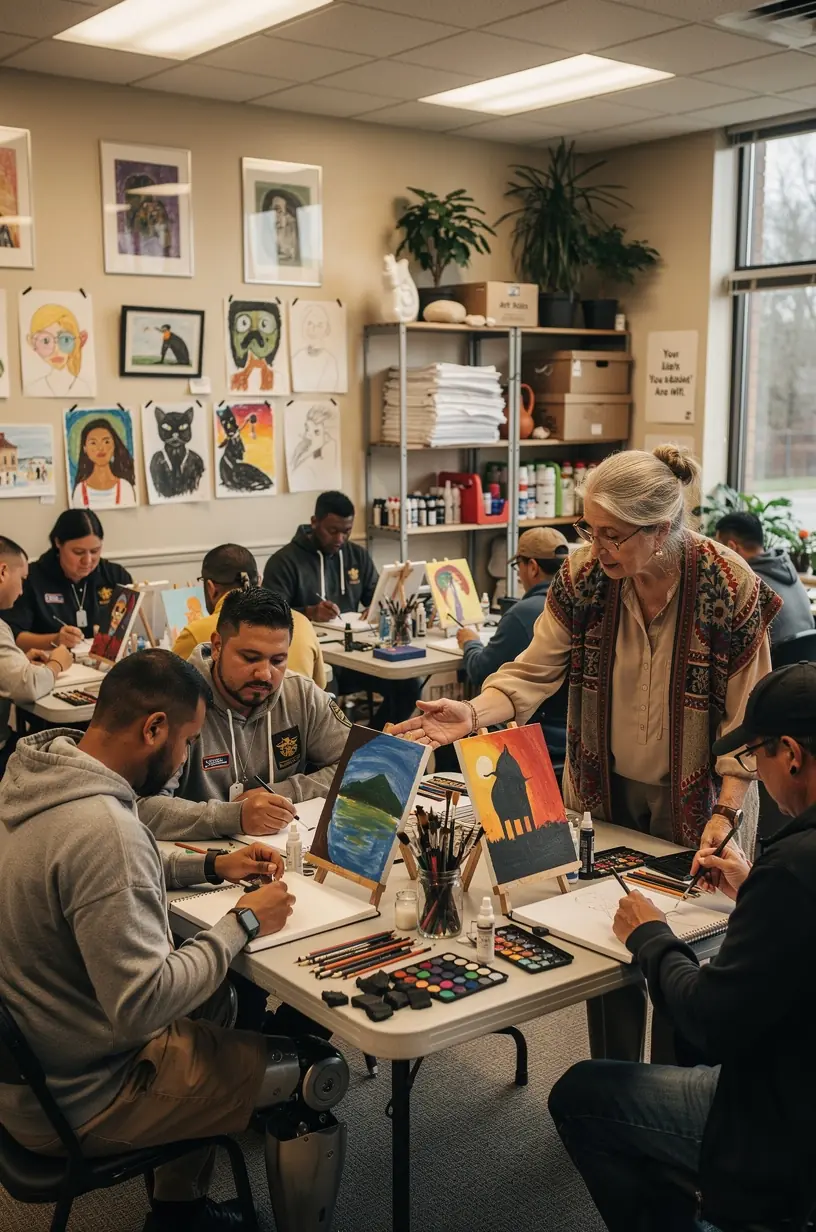
- Join a Group: Participating in community art classes or workshops can create a supportive environment for sharing experiences and fostering connections.
Limitations and Considerations
While creative expression can offer numerous benefits, it is important to acknowledge some limitations. For instance, the process of engaging in artistic activities typically requires a level of commitment and consistency. Results may not be immediate; many users experience gradual improvements over a few weeks. Additionally, creative expression is not a substitute for professional mental health treatment in cases of severe mental health issues.
Conclusion
Creative expression plays a vital role in enhancing mental health and overall well-being. By providing tools for emotional release, promoting mindfulness, and facilitating self-discovery, creative activities can support individuals in managing stress and improving their mental health. As you explore various forms of creativity, remember that it is an effective approach that may require patience and practice. Start small, and allow yourself the freedom to express and explore.
Discover More